Black laser engraving
Black laser engraving offers a versatile and durable method for marking and enhancing products across various industries.
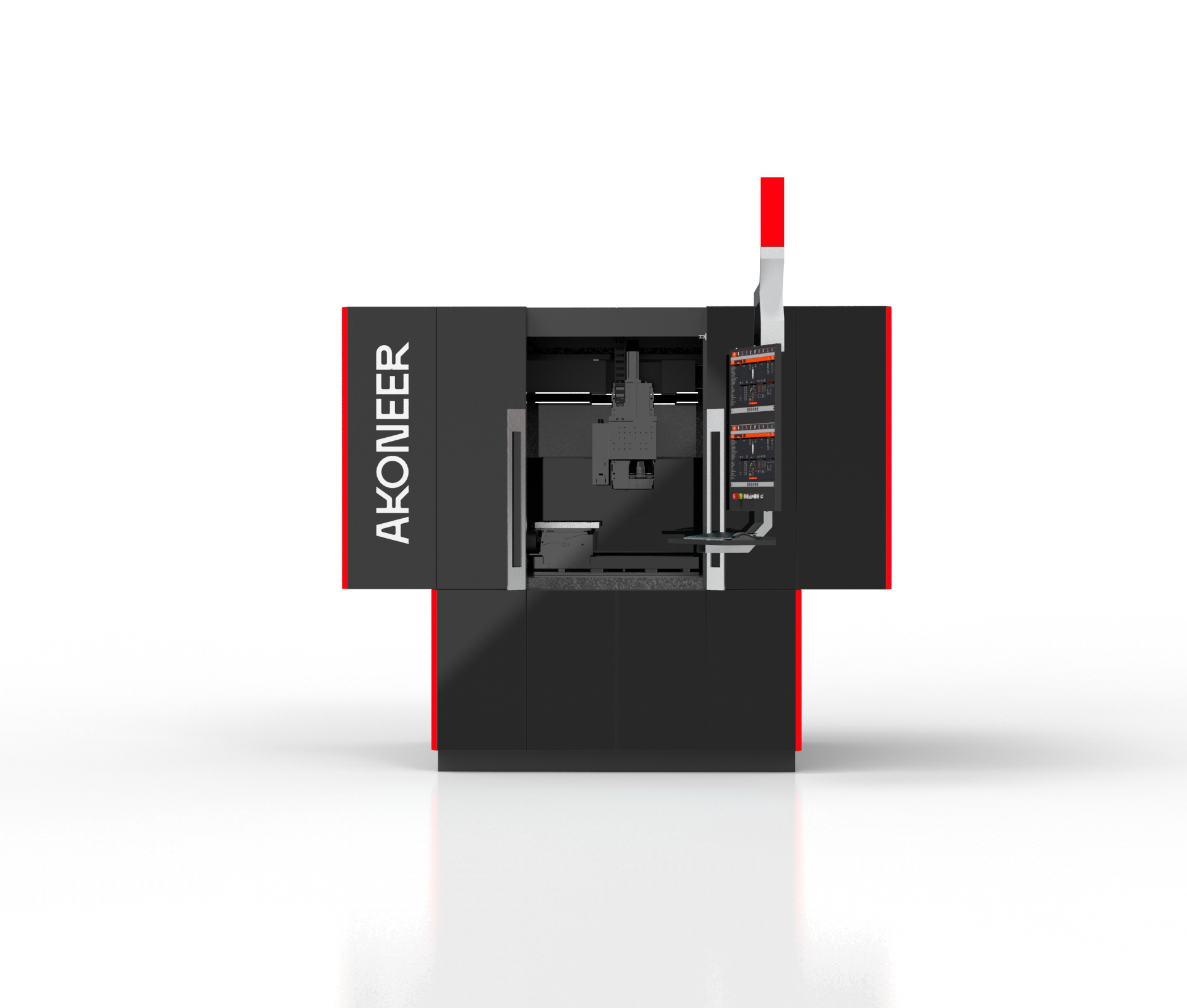
Laser engraving has revolutionized how industries mark, customize, and enhance products. Among the various techniques available, black laser engraving stands out for its precision, versatility, and aesthetic appeal. This method has gained traction across different sectors, offering a unique blend of functionality and artistry.
Understanding black laser engraving
Black laser engraving uses a laser to create dark, high-contrast marks on a substrate. This technique is particularly effective on metals and plastics, where the laser interacts with the material at a micro level. The process involves the laser beam creating a controlled thermal effect that oxidizes or carbonizes the surface, resulting in a permanent black mark. Typically, fiber lasers with power ranging from 20 to 100 watts are employed, achieving kerf widths as narrow as 0.1 mm and a repeatability of ±0.02 mm.
The process is non-contact, meaning the laser does not physically touch the material, minimizing wear and tear on both the equipment and the substrate. This ensures highly durable designs resistant to environmental factors such as heat, chemicals, and physical abrasion, making black laser engraving ideal for applications demanding longevity.
Applications across industries
Black laser engraving is used in a wide array of industries, each with unique requirements and standards. In the automotive sector, it marks parts with serial numbers, barcodes, and logos, ensuring traceability and authenticity. This is crucial for safety and quality assurance in vehicle manufacturing and servicing.
In the electronics industry, black laser engraving marks components with critical information such as model numbers and manufacturing details. Precision is essential in this field, where space is limited and clarity is paramount.
The medical field benefits from black laser engraving by marking surgical instruments and devices with identification codes and branding. The non-toxic, non-contact nature of the process ensures that the integrity and safety of medical equipment are maintained.
Advantages over traditional methods
Compared to traditional engraving methods, black laser engraving offers significant advantages. The precision of laser technology allows intricate and complex designs that are difficult with mechanical processes. This precision also enables high repeatability, ensuring consistency across large production runs.
The speed of laser engraving is another advantage, with cutting speeds reaching up to 30 meters per minute. This efficiency translates to cost savings, as less time and labor are needed to achieve the desired results. Moreover, black laser engraving is environmentally friendly, eliminating the need for consumables like inks and chemicals, thereby reducing waste and minimizing the environmental impact.
Choosing the right equipment
Selecting the appropriate laser engraving machine is crucial for achieving optimal results. Factors to consider include the material to be engraved, the desired level of detail, and production volume. CO2 lasers are commonly used for organic materials, while fiber lasers are preferred for metals and certain plastics due to their higher intensity and precision.
Advanced laser machines offer features such as adjustable power settings, automated focus adjustment, and software integration for design and production management. These capabilities enhance flexibility and efficiency, allowing manufacturers to adapt to different projects and demands.
Challenges and considerations
While black laser engraving offers numerous benefits, it also presents challenges. One primary consideration is the initial investment in laser equipment, which can be substantial. However, the long-term cost savings and productivity gains often justify this expenditure. For instance, XYZ Corporation integrated black laser engraving into its production line, reducing marking time by 30% and improving traceability.
Another challenge is the learning curve associated with operating laser machines. Proper training and expertise are necessary to maximize the potential of laser engraving technology. Manufacturers must also consider the maintenance and calibration of equipment to ensure consistent performance and accuracy.
Material compatibility is another factor to consider. While black laser engraving works well on many metals and plastics, it may not be suitable for all materials. Testing and experimentation are often required to determine the best parameters for a specific application.
Future prospects and innovation
The future of black laser engraving is promising, with ongoing advancements in laser technology and materials science. Innovations such as ultrafast lasers and new material coatings are expanding the possibilities of laser engraving, allowing even greater precision and versatility.
As industries continue to evolve, the demand for efficient, high-quality marking solutions will grow. Black laser engraving is well-positioned to meet these demands, offering a reliable, sustainable, and adaptable method for enhancing product design and functionality.
Black laser engraving is a powerful tool in modern manufacturing, offering a combination of precision, durability, and aesthetic appeal. Its applications span a wide range of industries, providing solutions for both functional marking and decorative detailing. As technology advances, black laser engraving will continue to play a pivotal role in shaping the future of manufacturing and design.