Best laser etching machine
Laser etching technology offers enhanced efficiency and versatility for marking and customizing materials across various industries.
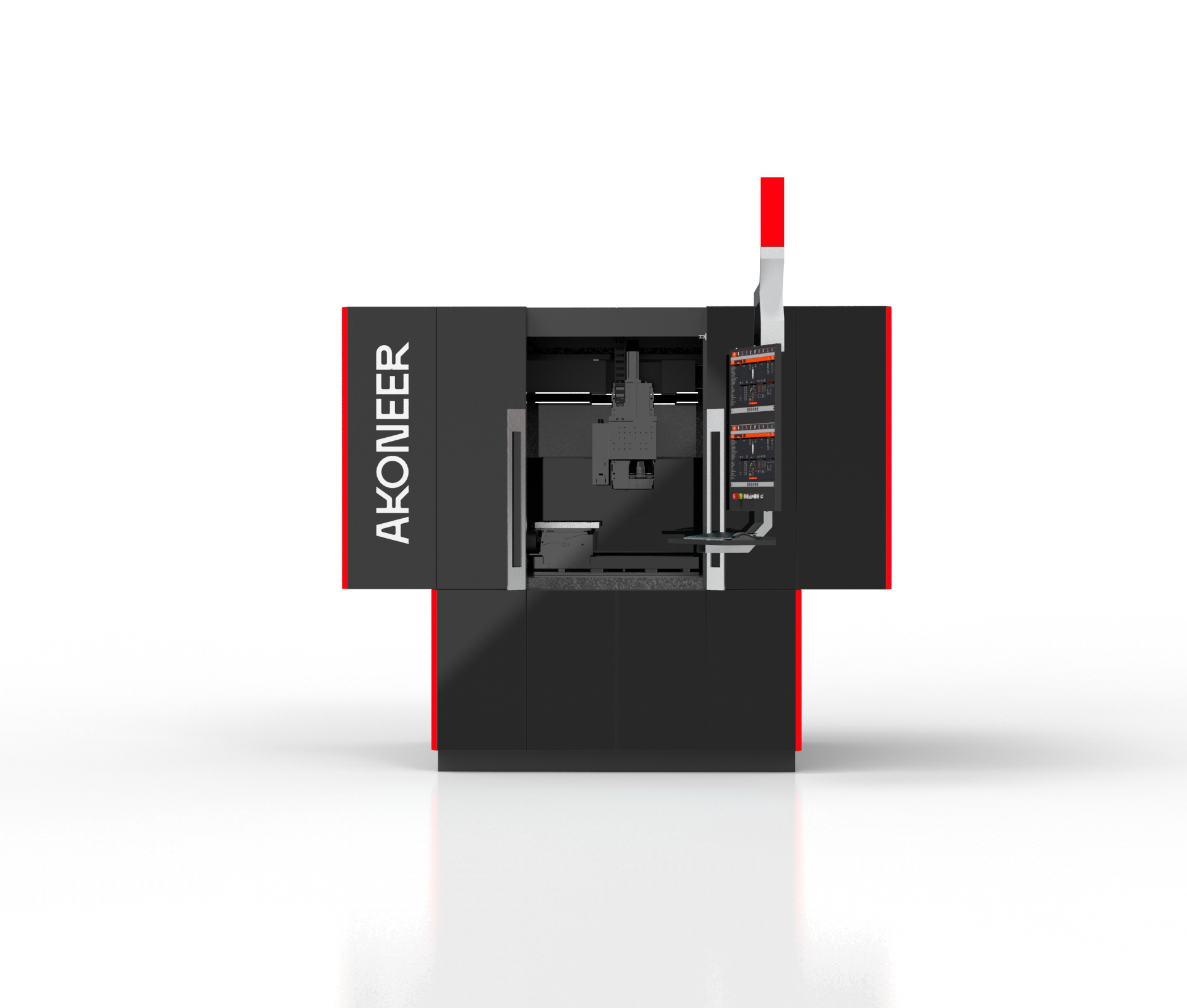
Laser etching has become an essential technology in various industries, from manufacturing to artistry. The precision and speed offered by laser etching machines have revolutionized how materials are marked and customized. With numerous options available, identifying the best laser etching machine involves evaluating key features, understanding various technologies, and recognizing the applications that benefit most from this innovative tool.
Understanding laser etching technology
Laser etching uses a focused beam of light to mark the surface of a material. This process differs from laser engraving as it typically alters only the surface layer without removing any material. The technology behind laser etching is based on photothermal interaction, whereby the laser beam's energy is absorbed by the material, causing a localized reaction. The result is a high-contrast mark with precise detail.
Different types of laser sources are used in etching machines, including CO2, fiber, and UV lasers. CO2 lasers are often used for organic materials like wood and leather, while fiber lasers excel in marking metals and plastics. UV lasers are ideal for applications requiring high precision and minimal thermal impact.
Key features to consider
When selecting the best laser etching machine, several features should be considered to ensure optimal performance for your specific needs. Power output is critical, with machines typically ranging from 20 to 100 watts. Higher wattage generally results in faster processing speeds and the ability to mark harder substances. For instance, a fiber laser with a power output of 50 watts can mark metal at speeds up to 30 meters per minute.
The working area of the machine is another important consideration. Machines with areas of up to 600 x 600 mm allow for processing larger items or batch processing smaller pieces, increasing efficiency. Software compatibility and user interface also play significant roles, enabling seamless integration with design programs and ease of use.
Precision and resolution, dictated by the machine's optics and mechanics, ensure the quality of the etching. Repeatability of ±0.02 mm is often achievable, providing consistent results. Additionally, the cooling mechanism in a laser etching machine affects performance and longevity. Air-cooled machines require less maintenance, while water-cooled systems are more effective for high-power operations.
Applications across industries
Laser etching machines are used in various industries due to their versatility and efficiency. In the automotive sector, they mark parts with identification codes and logos, ensuring traceability and brand recognition. The electronics industry relies on laser etching for labeling components without causing damage or interference with functionality.
In the medical field, laser etching marks surgical instruments and implants with unique identifiers, enhancing patient safety and compliance with regulations. The jewelry industry benefits from the fine detail achievable with laser etching, allowing for intricate designs on precious metals without the risk of damage.
Beyond industrial applications, laser etching has found a place in the creative sector. Artists and designers use these machines to personalize products, create unique artworks, and develop prototypes with precision that traditional methods cannot match. For example, a renowned jewelry company increased production speed by 30% after integrating a 30-watt fiber laser etching machine, enabling faster customization of their products.
Evaluating cost and maintenance
While initial cost is a factor when choosing a laser etching machine, long-term considerations such as maintenance and operational costs must also be evaluated. Machines with higher energy efficiency may have a greater upfront cost but result in savings over time due to reduced power consumption. Regular maintenance, such as cleaning optics and replacing parts subject to wear, is necessary to ensure consistent performance.
Warranty and customer support are important aspects of the purchasing decision. A comprehensive warranty provides peace of mind, while responsive customer support can assist in troubleshooting and maintenance, minimizing downtime.
Environmental and safety considerations
Operating a laser etching machine involves certain environmental and safety considerations. Many machines produce fumes or particles that require proper ventilation or filtration systems to protect operators and maintain air quality. Additionally, protective eyewear is essential to safeguard against accidental exposure to laser beams.
Some manufacturers prioritize sustainability by designing machines that consume less energy and use recyclable materials. Considering the environmental impact of a laser etching machine aligns with a growing emphasis on eco-friendly practices in industrial operations.
Selecting the best laser etching machine requires a thorough understanding of the technology, features, and applications relevant to your needs. Whether for industrial marking, artistic creation, or detailed personalization, the right machine can significantly enhance productivity and quality. By considering power, precision, cost, and environmental impact, users can make an informed decision and harness the full potential of laser etching technology. This investment in advanced machinery not only benefits individual operations but also contributes to the broader advancement of industries relying on precision marking solutions.