Best laser for engraving metal
Laser engraving on metal offers industries a reliable method for creating detailed and permanent markings with efficiency and versatility.
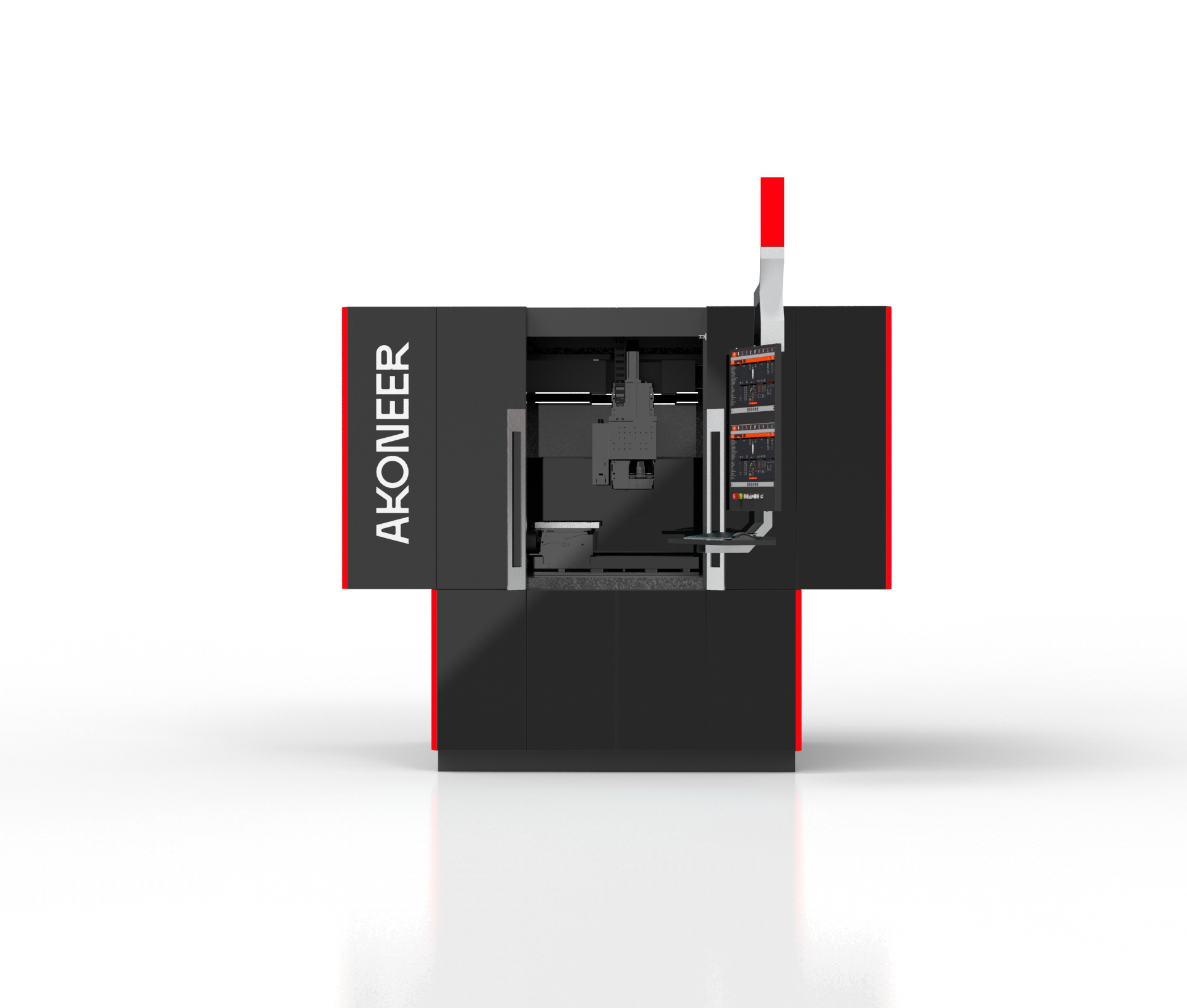
Engraving on metal has become increasingly popular across various industries, from manufacturing to jewelry making. The precision, speed, and versatility of laser engraving make it a preferred method for creating detailed and permanent markings on metal surfaces. This article explores the best laser technologies available for metal engraving, focusing on their features, advantages, and applications.
Understanding laser types for metal engraving
Several types of lasers are used for metal engraving, each with distinct characteristics. The most common are fiber lasers, CO2 lasers, and diode lasers. Fiber lasers are known for their high efficiency and precision, operating at wavelengths that metals absorb well, thus producing crisp and clear engravings. They are ideal for marking metals like stainless steel, aluminum, and brass, with power outputs typically ranging from 20 to 100 watts.
CO2 lasers, operating at power levels between 30 to 150 watts, are more commonly used for non-metal materials but can engrave metals if treated with specific coatings. However, they are generally less effective on bare metals compared to fiber lasers. On the other hand, diode lasers are typically less powerful, with outputs around 5 watts, and are seldom used for metal engraving due to their limitations in effectively marking metals. Fiber lasers stand out as the most suitable option for engraving metal due to their power, speed, and the quality they produce.
Key features of fiber lasers
Fiber lasers have several features that make them particularly effective for metal engraving. Their compact design facilitates easy integration into various production environments. High beam quality results in precise and detailed engravings, essential for industries where accuracy is crucial, such as aerospace and automotive manufacturing. With a repeatability of ±0.02 mm, these lasers ensure consistent results.
Another advantage of fiber lasers is their low maintenance requirements. They have a long operational life and consume less power compared to other laser types, making them cost-effective over the long term. Additionally, fiber lasers offer a high degree of control over engraving depth and speed, allowing users to customize the process to meet specific needs. A power range that typically falls between 20 to 50 watts allows for flexibility across various applications.
Applications of laser engraving on metal
Laser engraving on metal is utilized in numerous industries for a variety of applications. In the manufacturing sector, it is used for creating serial numbers, barcodes, and logos on parts and products, helping in tracking inventory and enhancing brand visibility. Jewelry makers use laser engraving to personalize items with intricate designs, names, or dates. The precision of laser engraving allows for detailed work on small surfaces, such as rings and bracelets, without damaging the item. In the electronics industry, laser engraving is used to mark components with critical information, such as part numbers and safety warnings.
- A notable example is the aerospace company SpaceX, which uses fiber lasers to engrave critical identification codes on spacecraft components, improving traceability and reducing production errors by 30%.
Factors to consider when choosing a laser engraving machine
When selecting a laser engraving machine for metal, several factors need to be considered. The power of the laser is crucial, as it determines the types of metals that can be engraved and the speed of the process. Higher-powered lasers can engrave harder metals and achieve deeper marks. The size of the engraving bed is another important consideration, as it dictates the size of the objects that can be engraved. For industrial applications, a larger bed may be necessary to accommodate bigger parts. Software compatibility is also important, as it affects the ease of designing and executing engraving projects. Many machines come with proprietary software, offering advanced features like design editing and batch processing.
Safety and environmental considerations
Operating a laser engraving machine involves certain safety and environmental considerations. Lasers emit intense beams that can be hazardous to the eyes and skin, so proper protective equipment such as goggles and gloves should be used. Additionally, the engraving process can produce fumes and particles, especially when working with metals that contain coatings or treatments. An efficient ventilation system or fume extractor is essential to maintain air quality and ensure the safety of operators.
From an environmental perspective, laser engraving is considered a cleaner technology compared to chemical etching, as it does not require the use of harmful chemicals or generate hazardous waste. This makes it a more sustainable option for companies looking to reduce their environmental footprint.
Future trends in metal laser engraving
The field of metal laser engraving is continually evolving, with advancements in technology improving efficiency and expanding capabilities. Emerging trends include the development of more compact and affordable fiber lasers, making them accessible to small and medium-sized businesses. Additionally, there is a growing interest in integrating laser engraving systems with automated production lines, enhancing productivity and reducing manual labor.
Research is also being conducted on new laser technologies that could further improve the precision and speed of metal engraving. As these advancements continue, laser engraving is expected to become even more prevalent across various industries, offering new opportunities for innovation and creativity.
In summary, fiber lasers are the best option for engraving metal due to their efficiency, precision, and versatility. Understanding the key features and applications of laser engraving, along with safety and environmental considerations, can help businesses make informed decisions when investing in this technology. As technology advances, the future of metal laser engraving promises exciting developments that will shape the industry for years to come.