Best laser engraving machine
Explore the key factors in selecting a laser engraving machine tailored to your needs, from power and material compatibility to cost and software.
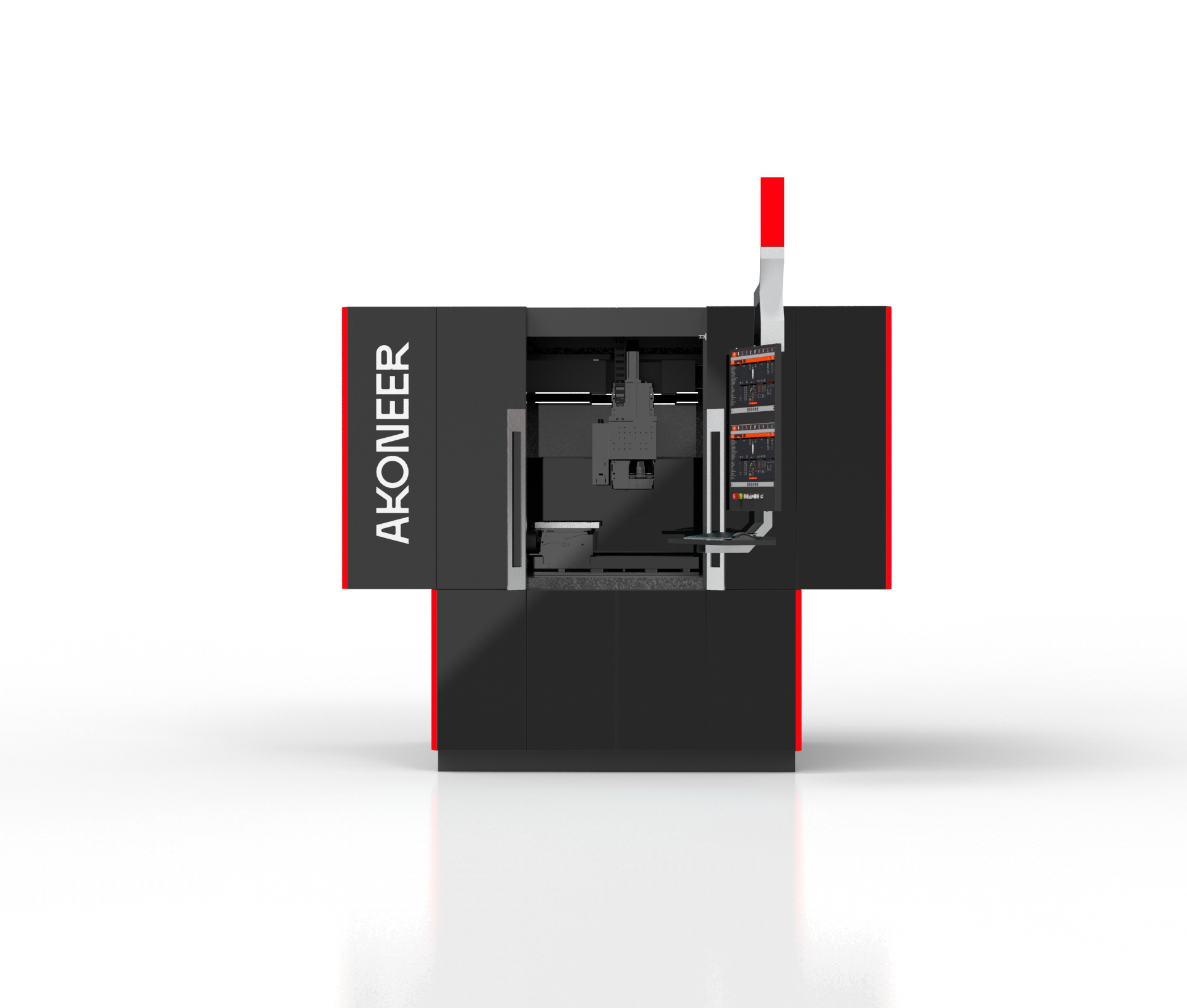
Laser engraving machines have revolutionized personal and professional engraving by using concentrated light beams to etch designs onto various materials with precision and consistency. When selecting the best laser engraving machine, consider factors such as material compatibility, power, speed, and cost. This article explores these factors, offering insights into what makes a laser engraving machine stand out in today's market.
Understanding laser engraving technology
Laser engraving technology uses a focused laser beam to remove material from the surface, creating designs, text, or images with high precision. The non-contact process minimizes wear and tear, allowing for intricate designs and reducing the risk of damage to the workpiece. The popularity of laser engraving has surged across industries, from jewelry and electronics to signage and personalized gifts.
Key factors in choosing a laser engraving machine
Choosing the best laser engraving machine involves considering various factors that affect performance and suitability for specific tasks. The laser's power, measured in watts, is crucial. Machines with power ratings between 30 and 150 watts can handle a broad range of materials, including metals, plastics, and glass. Higher wattage enables faster engraving but may increase costs and energy consumption.
Material compatibility is also essential. Some machines are specifically designed for certain materials, such as wood, acrylic, or metal. Knowing the materials you plan to work with will guide your choice. Additionally, consider the machine's engraving speed; faster machines, with speeds up to 30 m/min, increase productivity, especially in commercial settings.
Differences between CO2 and fiber lasers
Two primary types of laser engraving machines are CO2 and fiber lasers. CO2 lasers are versatile and can engrave various materials, including wood, acrylic, leather, and glass. They are generally more affordable, making them popular for small businesses and hobbyists. Fiber lasers excel in engraving metals with precision and speed and are often used in industrial applications requiring metal engraving. Each type has distinct advantages and limitations, so the choice depends on specific needs and budget.
Cost considerations and return on investment
The cost of laser engraving machines varies widely, from affordable models for hobbyists to expensive industrial-grade machines. While initial investment is significant, consider long-term return on investment. A high-quality machine with a higher upfront cost can offer durability, lower maintenance expenses, and higher efficiency, leading to better long-term value. For example, Trotec Laser's Speedy 300 system helped a signage firm reduce production time by 40%, enabling them to handle more projects and boost revenue.
Software and user-friendliness
Software is a critical component of a laser engraving machine, as it controls design and operation. User-friendly software can significantly impact ease of use, especially for beginners. Look for machines with intuitive interfaces, easy design imports, and compatibility with popular design programs. Some machines feature proprietary software, while others allow third-party software integration. Ensuring the software aligns with your skill level and design needs is crucial for maximizing productivity and creativity.
Safety and maintenance
Safety is paramount when working with laser machines. Proper ventilation is crucial to remove fumes and particulates generated during engraving. Many machines include built-in safety features, such as protective enclosures and emergency stop buttons. Regular maintenance is essential to keep the machine running efficiently, including cleaning the laser lens, checking for wear and tear, and ensuring the cooling system functions properly. Investing in a machine with robust safety features and clear maintenance guidelines is vital for long-term operation.
Future trends and innovations
The laser engraving industry is continually evolving, with innovations aimed at improving efficiency, precision, and versatility. Recent advancements include more compact and portable machines and improvements in laser technology that allow for deeper engravings and faster processing times. Additionally, the integration of automation and smart technology is simplifying complex engraving projects. Staying informed about these trends can help businesses and individuals make informed decisions when investing in new equipment.
Selecting the best laser engraving machine involves a careful evaluation of factors such as power, material compatibility, cost, and software. By understanding the differences between CO2 and fiber lasers and considering safety and maintenance needs, users can find a machine that meets their specific requirements. As technology continues to advance, the capabilities of laser engraving machines will expand, offering even greater opportunities for creativity and efficiency.