Best laser cutting machines
Laser cutting technology enhances various industries by offering accuracy and efficiency for applications ranging from intricate designs to large-scale production.
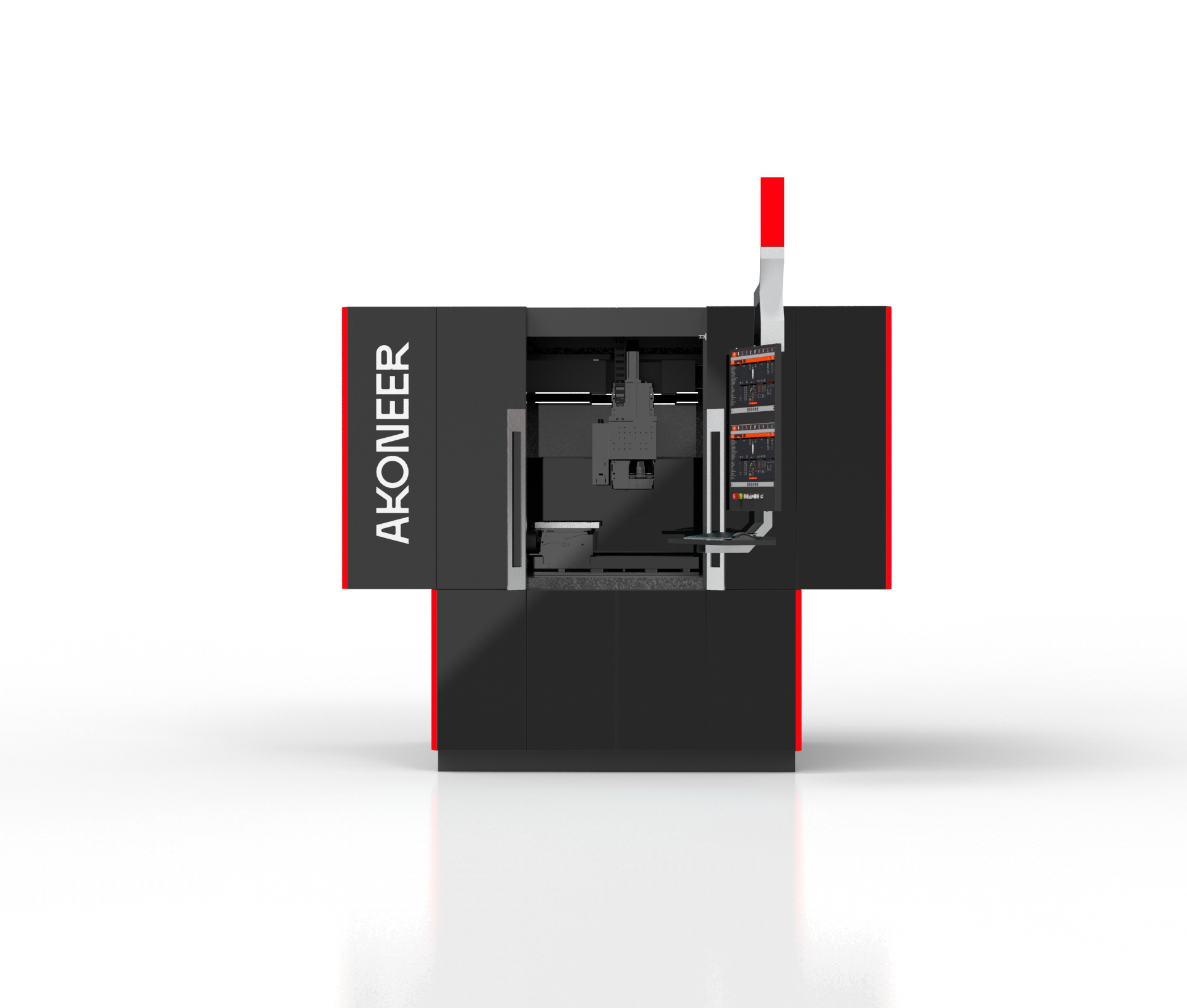
In recent years, laser cutting technology has transformed various industries by delivering precision and efficiency that were once out of reach. The top laser cutting machines blend advanced technology with user-friendly features, supporting applications from intricate designs to industrial-scale production. This article examines the essential features of high-performing laser cutting machines, their industry applications, and the key factors to consider when choosing one.
Understanding laser cutting technology
Laser cutting employs a high-powered laser beam to cut materials with precise specifications. The beam is directed through optics, often managed by computer numerical control (CNC) systems, to achieve highly accurate cuts with repeatability of ±0.02 mm. This technology excels at producing intricate designs and complex shapes, making it invaluable in fields from manufacturing to art. The process melts, burns, or vaporizes material, resulting in smooth, clean edges without needing additional finishing. Such efficiency is why laser cutting has become popular across numerous sectors.
Key features of top laser cutting machines
The best laser cutting machines boast several critical features. Power output, typically ranging from 2–6 kW, is a major determinant of a machine's capability. Higher wattage machines can cut through materials up to 20 mm thick and achieve cutting speeds of 30 m min⁻¹, making them suitable for industrial applications. Precision is crucial; high-quality machines maintain accuracy even at high speeds, supported by robust CNC systems. Additionally, these machines offer versatility in the materials they can cut, including metals, plastics, wood, and textiles. User-friendly software interfaces and reliable safety features enhance a machine's overall quality, ensuring operators can work efficiently and safely.
Applications across industries
Laser cutting machines have extensive applications across a range of industries. In the automotive sector, they are employed for cutting and engraving components with precision, aiding prototype development and mass production. The aerospace industry benefits from laser cutting technology for fabricating complex parts that demand high accuracy and minimal waste. In electronics, laser cutters are instrumental in manufacturing small components and circuit boards. The fashion industry leverages this technology to cut fabrics with intricate patterns. Moreover, artists and craftsmen utilize laser cutters for detailed artwork and custom pieces, underscoring the machines' versatility. For instance, Tesla uses laser cutting in its production process to achieve precise cuts on car components, leading to improved assembly efficiency and reduced material waste.
Factors to consider when selecting a laser cutting machine
Choosing the right laser cutting machine involves evaluating several factors. The type of materials you plan to work with is a primary consideration, as different machines are optimized for specific materials. Material thickness and desired operational speed will influence the power requirements of the machine. Budget constraints are also crucial; while advanced machines offer superior features, they come at a higher cost. Additionally, consider software compatibility and ease of use, as a machine with a steep learning curve may hinder productivity. Maintenance and support services are essential, ensuring that any issues can be quickly resolved to minimize downtime.
Technological advancements and future trends
The laser cutting industry is continuously evolving, driven by technological advancements and the rising demand for precision manufacturing. Recent developments include hybrid laser cutting machines that combine multiple cutting technologies, offering enhanced capabilities and flexibility. Improved software integration and automation have simplified operations, allowing for more efficient production processes. Furthermore, eco-friendly laser cutting techniques are being explored to reduce energy consumption and material waste, aligning with global sustainability goals. As these trends advance, the future of laser cutting appears promising, with machines becoming more accessible and capable of handling even more complex tasks.
The best laser cutting machines represent a significant advancement in precision manufacturing and design. Their ability to cut a wide range of materials with accuracy and speed has made them indispensable across numerous fields. As technology continues to advance, these machines will likely become even more efficient and versatile, further solidifying their role in modern production processes. Whether in large-scale industrial applications or small-scale design endeavors, laser cutting machines offer a powerful solution for achieving high-quality results with minimal waste and maximum efficiency.