Back glass laser machine
Back glass laser machines enhance glass processing with technological efficiency and versatility, crucial for industries requiring delicate manipulation of glass components.
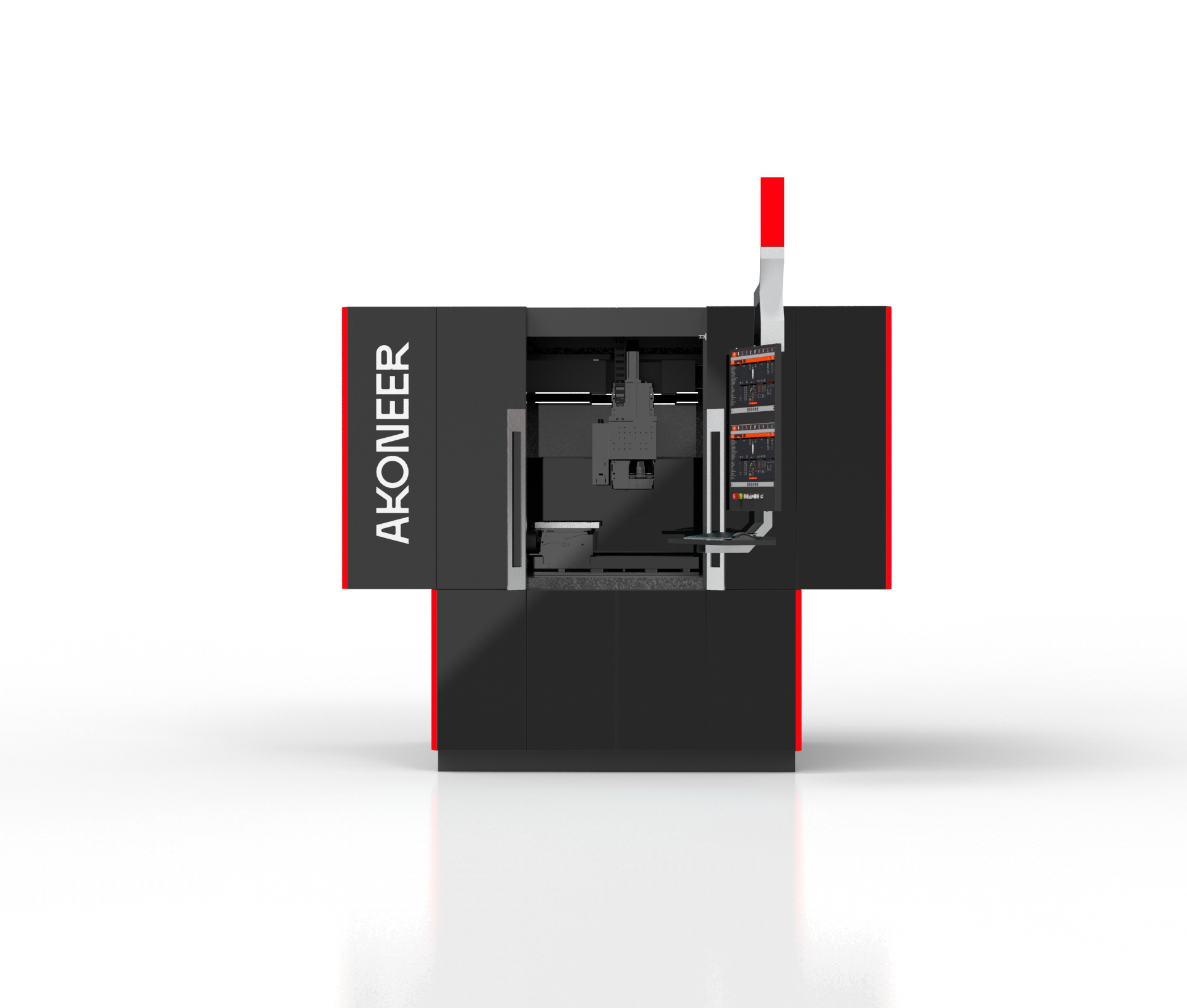
In the rapidly evolving landscape of manufacturing and technology, precision and efficiency are paramount. The back glass laser machine exemplifies innovation, catering specifically to the intricate requirements of glass processing. This machine is pivotal in industries relying on the delicate manipulation of glass components. It combines technological sophistication with practical application, delivering unparalleled results in cutting, drilling, and marking glass surfaces.
Understanding the technology behind back glass laser machines
Back glass laser machines use advanced laser technology for precise operations on glass surfaces. A concentrated beam of light, typically from CO2 or fiber lasers, targets specific areas of the glass. These lasers, operating at powers between 2–6 kW, cut or engrave with precision. The machine's efficiency and accuracy come from its ability to focus the laser to approximately 0.1 mm, allowing intricate designs without damaging the glass. This technology relies on advancements in laser optics and control systems, ensuring consistent performance even at cutting speeds of up to 30 m min⁻¹.
Applications across various industries
The versatility of back glass laser machines makes them indispensable across various industries. In electronics, they cut and shape glass components for smartphones, tablets, and other devices, ensuring a perfect fit and enhancing durability. The automotive industry uses these machines to create complex designs on car windows and mirrors. In architecture, they are essential for producing customized glass panels for both functional and decorative purposes. The ability to create intricate patterns and text directly on glass surfaces opens endless possibilities for designers and engineers.
Advantages over traditional glass processing methods
Back glass laser machines offer significant advantages over traditional glass processing methods. Unlike mechanical cutting or sandblasting, which can result in uneven edges or micro-cracks, laser processing is non-contact, eliminating contamination risks and reducing defects. The precision of laser machines allows for minimal material waste and greater control over product dimensions. Additionally, automation capabilities enable high throughput and consistent quality, ideal for large-scale manufacturing.
Economic and environmental benefits
Investing in back glass laser machines leads to substantial economic benefits. The high precision and speed reduce labor costs and minimize material waste, resulting in higher productivity and lower production costs per unit. Modern laser machines consume less energy than older, mechanical equipment, lowering operational costs. Environmentally, the non-contact nature of laser processing minimizes dust and debris, reducing clean-up needs and aligning with sustainable manufacturing trends.
Challenges and considerations in implementation
While back glass laser machines offer numerous advantages, their implementation requires careful consideration. The initial investment cost can be significant, particularly for small businesses, but is often offset by long-term savings in production and maintenance. Operators need training to handle and maintain equipment for optimal performance and safety. Integrating laser machines into existing production lines may require workflow adjustments. Companies must evaluate these factors to ensure benefits outweigh challenges and transition smoothly to laser technology.
Future prospects of laser technology in glass processing
The future of laser technology in glass processing is promising, with ongoing research and development paving the way for more advanced capabilities. Innovations such as ultrafast lasers and adaptive optics could further enhance processing speed and precision. As technology evolves, the cost of laser machines is expected to decrease, making them accessible to more industries. The growing demand for customized and complex glass products will continue driving laser technology adoption. The trend toward smart manufacturing and Industry 4.0 will likely increase laser machine integration with digital control systems, enabling greater automation and real-time monitoring.
The back glass laser machine represents a significant leap forward in glass processing. Its precision, efficiency, and versatility make it a valuable asset across various industries. As technology advances, these machines will play an increasingly important role in shaping the future of manufacturing, offering solutions that are both economically viable and environmentally sustainable.