Automotive laser marking
Laser marking is transforming automotive manufacturing by enhancing component identification, traceability, and quality control across production processes.
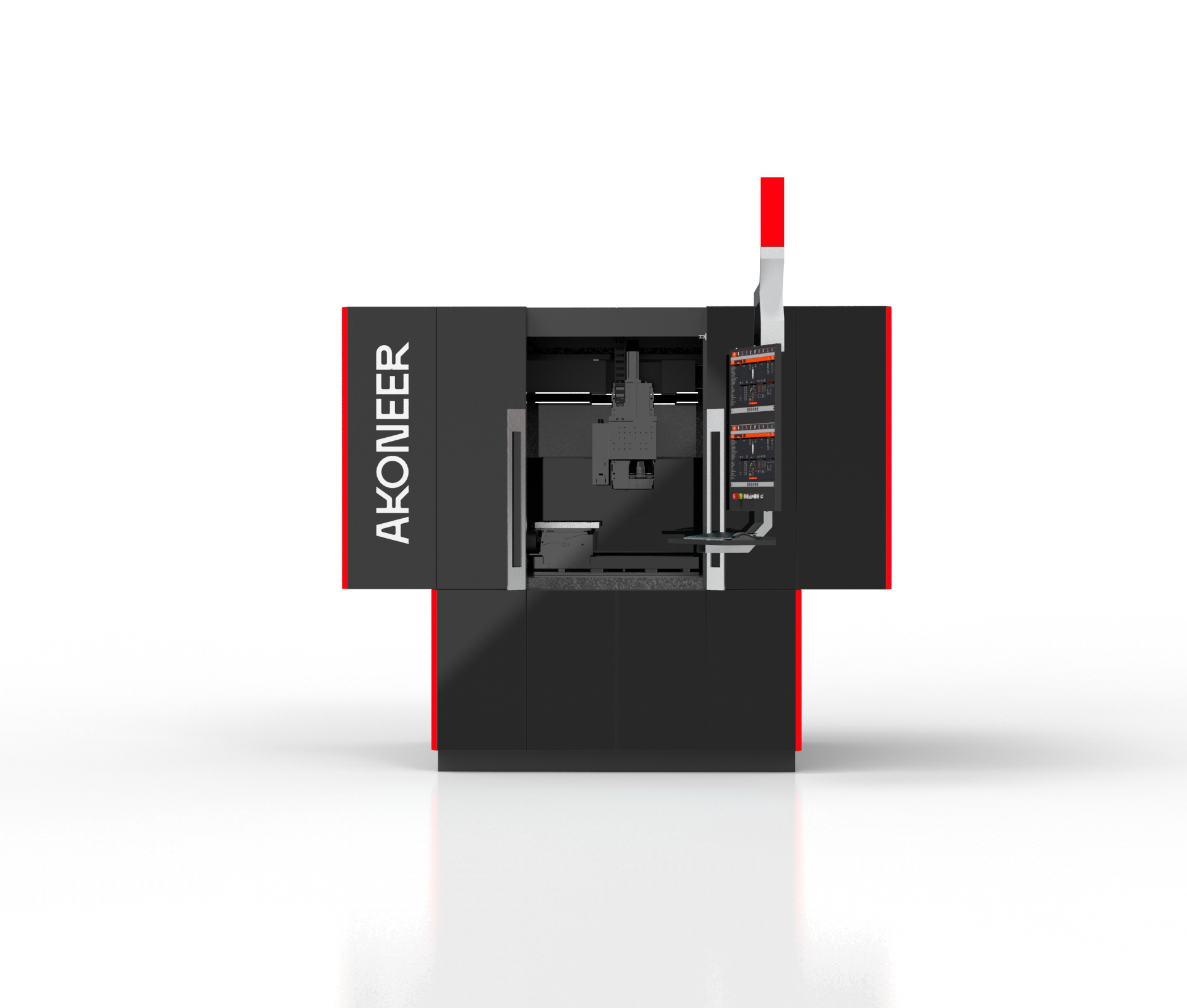
In the automotive industry, precision and durability are crucial. As vehicles evolve to meet new standards in performance and design, so too do the methods used to produce and mark their components. One of the technologies gaining prominence is laser marking. This article explores the significance, applications, and benefits of automotive laser marking, providing insights into how this technology is reshaping the industry.
The importance of laser marking in automotive manufacturing
In automotive manufacturing, every component, from the smallest screw to the engine block, requires accurate identification for traceability, quality control, and compliance. Traditional methods, such as stamping or engraving, often lack precision, speed, and adaptability. Laser marking offers a precise, high-speed, and versatile solution, meeting the stringent demands of the industry.
Laser marking ensures essential information, like serial numbers, barcodes, and logos, is permanently etched onto components. This permanence is crucial for traceability across the supply chain, enabling manufacturers to track parts from production to end use. As automotive companies face pressure to maintain high standards of safety and quality, laser marking is an indispensable tool.
Applications of laser marking in the automotive industry
Laser marking is used in various stages of automotive production, applied to metals, plastics, and composites. For example, metal parts like engine components, gearboxes, and chassis parts are often marked to ensure they meet specifications and can be traced throughout their lifecycle. Laser marking's precision, with a typical repeatability of ±0.02 mm, ensures high-quality results.
Laser marking is also effective on plastics, prevalent in modern vehicles, including dashboards, wiring, and exterior parts. The ability to mark plastics without damage or altering material properties makes laser marking invaluable. With the rise of electric vehicles, laser marking is essential for marking battery components and electronic parts where precision is non-negotiable.
Advantages of laser marking over traditional methods
Laser marking offers numerous advantages over traditional methods. Precision is a significant benefit; laser marking can produce high-resolution images and text, even on the smallest surfaces. This detail ensures markings are clear and easily scanned, vital for automated production and inventory systems.
Speed is another benefit. Laser marking systems operate at high speeds without sacrificing quality, suitable for high-volume production environments typical of the automotive industry. The non-contact nature of laser marking minimizes equipment wear, reducing maintenance costs and downtime. Additionally, laser marking is highly adaptable, easily adjusted to mark different materials and shapes, providing flexibility to meet diverse production requirements.
Environmental and economic benefits
Beyond technical advantages, laser marking offers environmental and economic benefits. Traditional methods often involve inks, chemicals, or physical tools that generate waste. Laser marking, however, is a clean process producing no waste, aligning with the industry's move towards sustainability.
Economically, laser marking reduces costs by ensuring the durability of marked components, leading to fewer replacements and recalls. Additionally, the efficiency of laser marking systems leads to significant savings in labor and operational costs. For example, BMW's integration of laser marking technology has led to a 20% increase in production efficiency, reducing operational costs significantly.
Challenges and considerations
While laser marking offers many benefits, there are challenges and considerations. Initial setup costs can be high due to the need for specialized equipment and training. However, these costs are often offset by long-term savings in maintenance and operational efficiency.
The choice of laser type and parameters must be carefully considered to ensure optimal results. Different materials and marking requirements may necessitate different laser wavelengths or power levels. Manufacturers must work closely with laser machine providers to tailor solutions that meet their specific needs.
The future of laser marking in automotive manufacturing
The future of laser marking in the automotive industry looks promising. As technology advances, laser marking systems are becoming more sophisticated, with capabilities like 3D marking and integration with digital manufacturing systems. These advancements will further enhance the efficiency and versatility of laser marking, solidifying its role in the industry.
Furthermore, as the automotive industry continues to innovate, particularly in areas like autonomous vehicles and smart manufacturing, the demand for precise and reliable marking solutions will grow. Laser marking is well-positioned to meet these demands, offering technology that not only meets current needs but is also adaptable to future challenges.
In summary, automotive laser marking represents a critical development in manufacturing, offering precision, efficiency, and adaptability. As the industry evolves, laser marking will continue to play a vital role in ensuring the quality and traceability of automotive components, driving the sector towards a more efficient and sustainable future.