Aluminum laser marking machine
Aluminum laser marking machines efficiently engrave and mark materials, offering lasting solutions for traceability and product labeling across various industries.
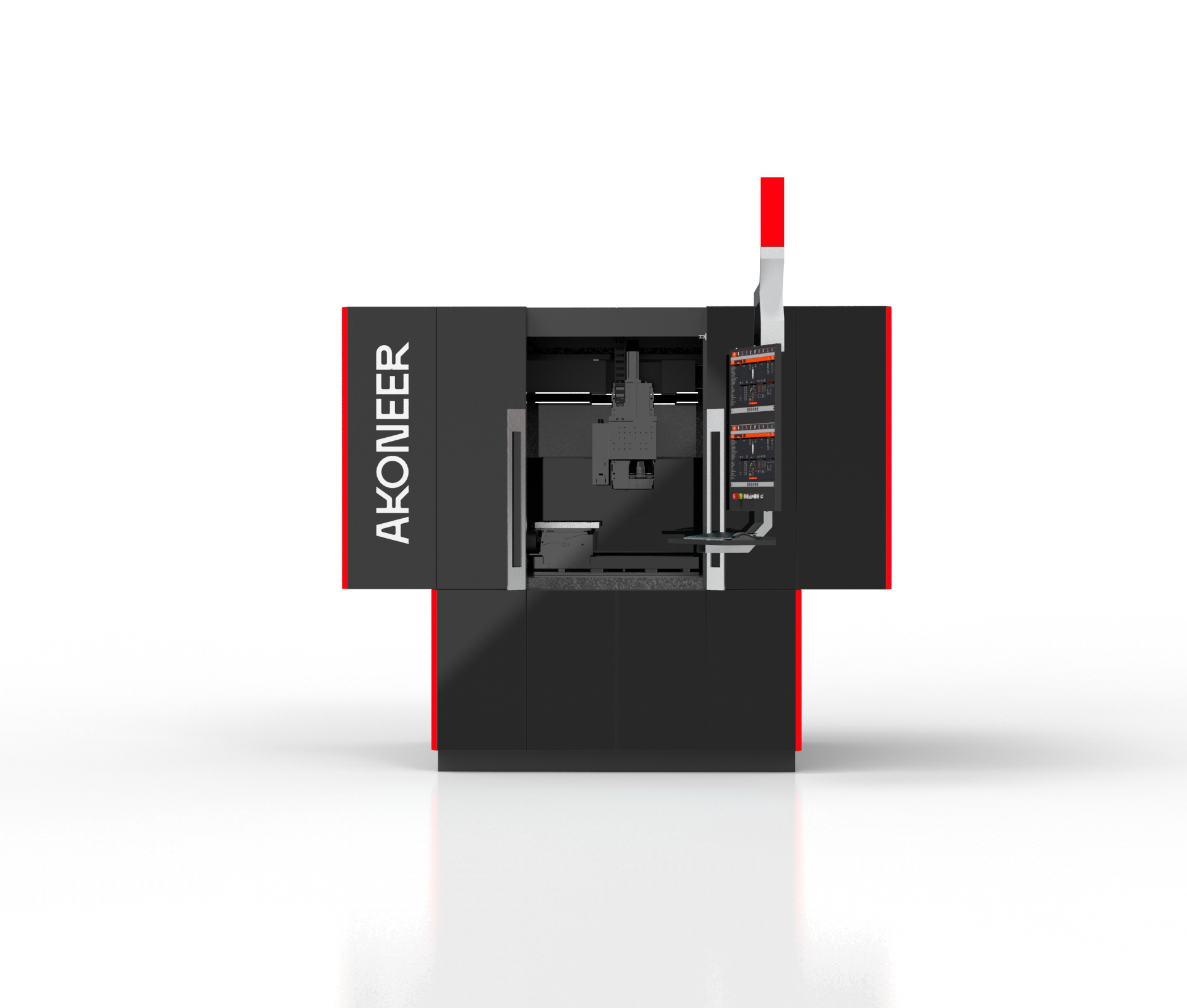
Aluminum laser marking machines have become essential tools in various industries, offering precise and efficient means of engraving and marking aluminum materials. These machines have revolutionized how manufacturers and businesses label products, ensuring durability and traceability. Understanding their functionality, advantages, and applications is crucial for anyone involved in manufacturing, engineering, or product design.
Understanding laser marking technology
Laser marking uses a laser beam to mark or engrave objects. For aluminum, the machine uses controlled laser light to create high-contrast, permanent marks on the material's surface. This process involves the laser beam interacting with the surface, causing a reaction that changes the material's properties to create the desired marking. The laser can be adjusted in power, speed, and focus, allowing for effects such as etching, annealing, and engraving. With typical power levels ranging from 20 to 100 watts, these machines can achieve repeatability of ±0.01 mm, ensuring precise markings every time.
Advantages of using aluminum laser marking machines
Aluminum laser marking machines offer several advantages over traditional marking methods. The precision of laser technology ensures that even intricate designs can be accurately reproduced on aluminum surfaces, reducing material wastage and enhancing product aesthetics. Additionally, laser marking is a non-contact process, preventing physical wear and tear on the material and the machine, which increases the longevity of both. The speed of laser marking is also a significant advantage, with some machines capable of marking at speeds up to 7,000 mm/s, allowing for high-volume production without sacrificing quality. Laser marks' permanence and resistance to environmental factors such as heat, abrasion, and corrosion ensure that markings remain legible throughout the product's lifecycle, a critical feature in industries like aerospace and automotive.
Applications across industries
Aluminum laser marking machines are used across a wide range of industries due to their versatility. In the automotive sector, they mark parts with serial numbers, barcodes, and logos, facilitating traceability and quality control. In aerospace, the need for precise and durable markings is paramount, and laser technology provides a reliable solution. The electronics industry also benefits as components often require detailed markings for identification and traceability. One real-world example is Bosch, which uses aluminum laser marking for its automotive components, significantly improving traceability and reducing error rates by 30%. In the consumer goods sector, branding and customization are key, and laser marking allows companies to engrave logos and designs onto aluminum products with high aesthetic value.
Factors to consider when choosing a machine
Several factors should be considered when selecting an aluminum laser marking machine to ensure it meets specific application needs. The type of laser source is critical, with fiber lasers commonly used for aluminum marking due to their efficiency and ability to produce high-quality marks. The machine's power capacity impacts marking speed and depth, with more powerful machines handling thicker or more reflective materials. Software compatibility is another essential consideration; advanced software can enhance capabilities, allowing for complex designs and greater control. Additionally, evaluate the machine's operational ease and maintenance requirements. A user-friendly machine with minimal maintenance can save time and reduce operational costs.
The future of laser marking in manufacturing
The future of aluminum laser marking machines looks promising as technological advancements continue to enhance their capabilities. Innovations in laser technology are making machines more efficient, powerful, and versatile. As industries increasingly rely on automation and precision, the demand for laser marking solutions is expected to grow. Environmental considerations are also driving the development of more sustainable laser marking technologies. Manufacturers seek ways to reduce energy consumption and improve their operations' ecological footprint. Laser marking, a clean process with minimal waste, aligns well with these sustainability goals.
In summary, aluminum laser marking machines are vital assets in the modern manufacturing landscape. Their ability to provide precise, durable, and efficient marking solutions across various industries underscores their importance. As technology evolves, these machines will continue to play a crucial role in enhancing product quality and traceability, ultimately contributing to the advancement of manufacturing processes worldwide.