Aluminum laser etching
Aluminum laser etching is a versatile manufacturing technique that creates permanent marks on aluminum surfaces using a laser beam, offering speed and adaptability across various industries.
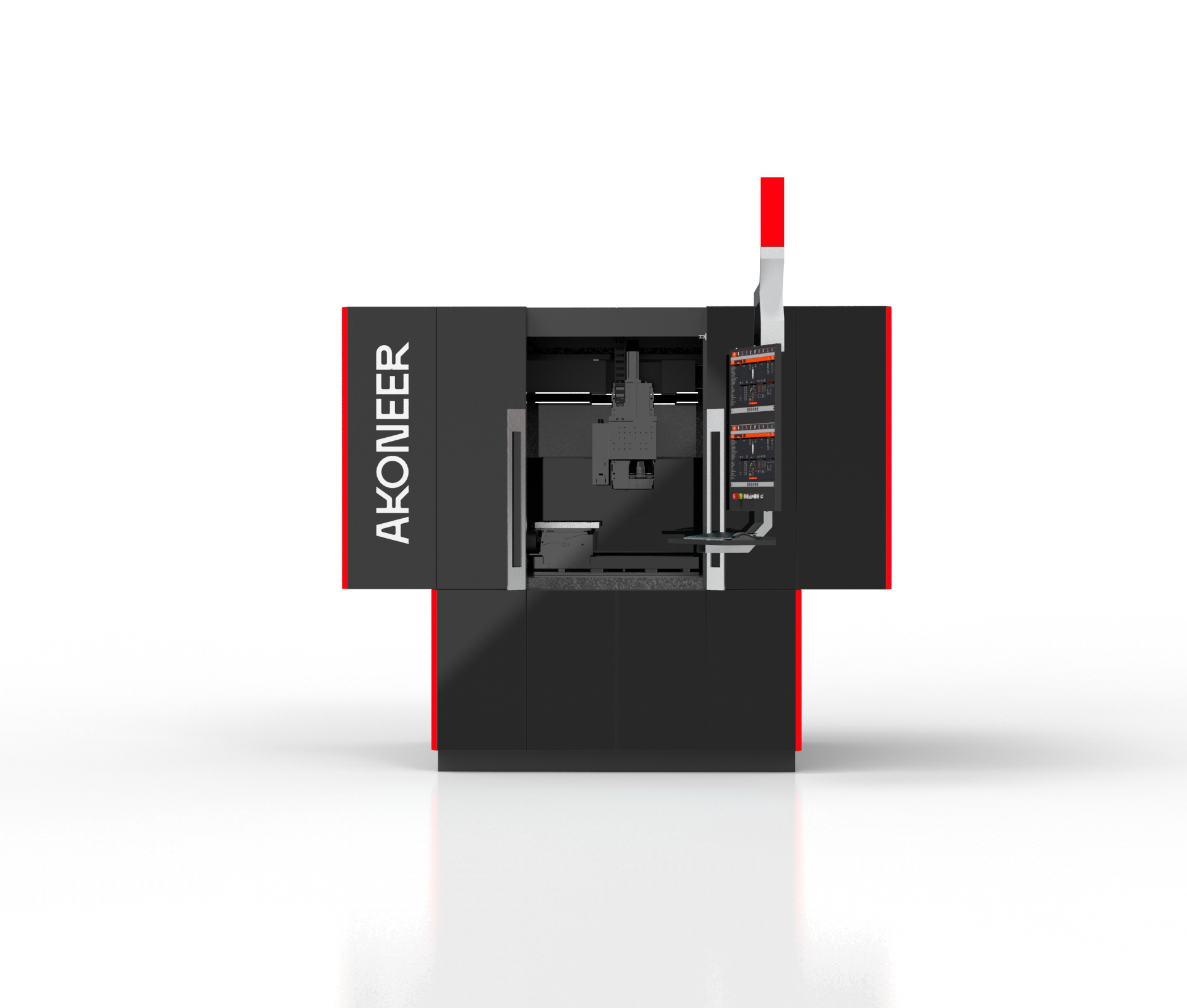
Aluminum laser etching is an advanced manufacturing technique that has gained significant traction in various industries. This process uses a laser beam to create permanent marks on aluminum surfaces, known for its precision, speed, and versatility. This article explores the intricacies of aluminum laser etching, its applications, advantages, and considerations for its use.
Understanding the process
Laser etching, a subset of laser marking, involves using a laser beam to generate high heat that slightly melts the aluminum surface, creating a raised mark visible to the naked eye. Unlike laser engraving, which removes part of the material, etching only alters the surface layer, making it ideal for applications requiring structural integrity. The process is computer-controlled, ensuring high precision with repeatability typically around ±0.02 mm. Laser parameters such as power, often ranging from 20 to 100 watts, speed, and frequency can be adjusted for different effects and etching depths.
Applications across industries
Aluminum laser etching is used across various industries due to its ability to produce durable and high-contrast marks. In the automotive industry, it's employed for marking parts with serial numbers and logos, aiding in tracking and verification. The electronics sector uses it for marking circuit boards, ensuring traceability and compliance. The aerospace industry benefits from its precision and durability in marking critical components. Additionally, consumer products like smartphones often feature laser-etched designs for aesthetic appeal. For instance, BMW implemented laser etching for marking engine components, significantly enhancing traceability and reducing time spent on manual quality checks by 30%.
Advantages of aluminum laser etching
Aluminum laser etching offers several advantages, such as its non-contact nature, which means no physical wear on tools, reducing maintenance costs. The process is environmentally friendly, requiring no inks or chemicals, which reduces waste. It's highly customizable, allowing manufacturers to change designs without new tooling. With cutting speeds that can reach up to 30 m/min, the process supports high-volume production without compromising quality. The precision ensures high-quality results, even on complex geometries or small parts.
Considerations for implementation
While aluminum laser etching offers numerous benefits, there are considerations for manufacturers. The initial investment in equipment can be substantial, but long-term savings often offset this cost. Training is essential for operators to effectively manage laser systems. Understanding aluminum's material properties is crucial, as different alloys may respond differently. Safety is another consideration, requiring proper ventilation and protective measures. The choice of laser type, such as fiber or CO2, impacts the quality and efficiency of the process.
Future trends and developments
The future of aluminum laser etching looks promising with ongoing developments aimed at enhancing its capabilities. Advancements in laser technology are leading to more powerful and efficient lasers capable of achieving finer details and faster processing times. Integration with automation and robotics is expected to streamline production workflows, reducing labor costs and minimizing human error. As industries move towards greater customization, the demand for flexible manufacturing processes like laser etching is likely to increase. Research into new materials and coatings may expand its applications, opening opportunities in sectors such as renewable energy and medical devices.
Aluminum laser etching is a highly efficient and versatile manufacturing process with applications across various industries. Its precision, speed, and environmental benefits make it an attractive choice for manufacturers seeking to improve product quality and reduce costs. While there are considerations for its implementation, ongoing technological advancements and integration with automation are set to enhance its capabilities and drive future adoption. As industries continue to evolve, aluminum laser etching will remain a crucial tool in the manufacturing landscape.