Aluminum laser cutting
Aluminum laser cutting enhances manufacturing by providing efficient, versatile solutions across various industries through advanced technology and techniques.
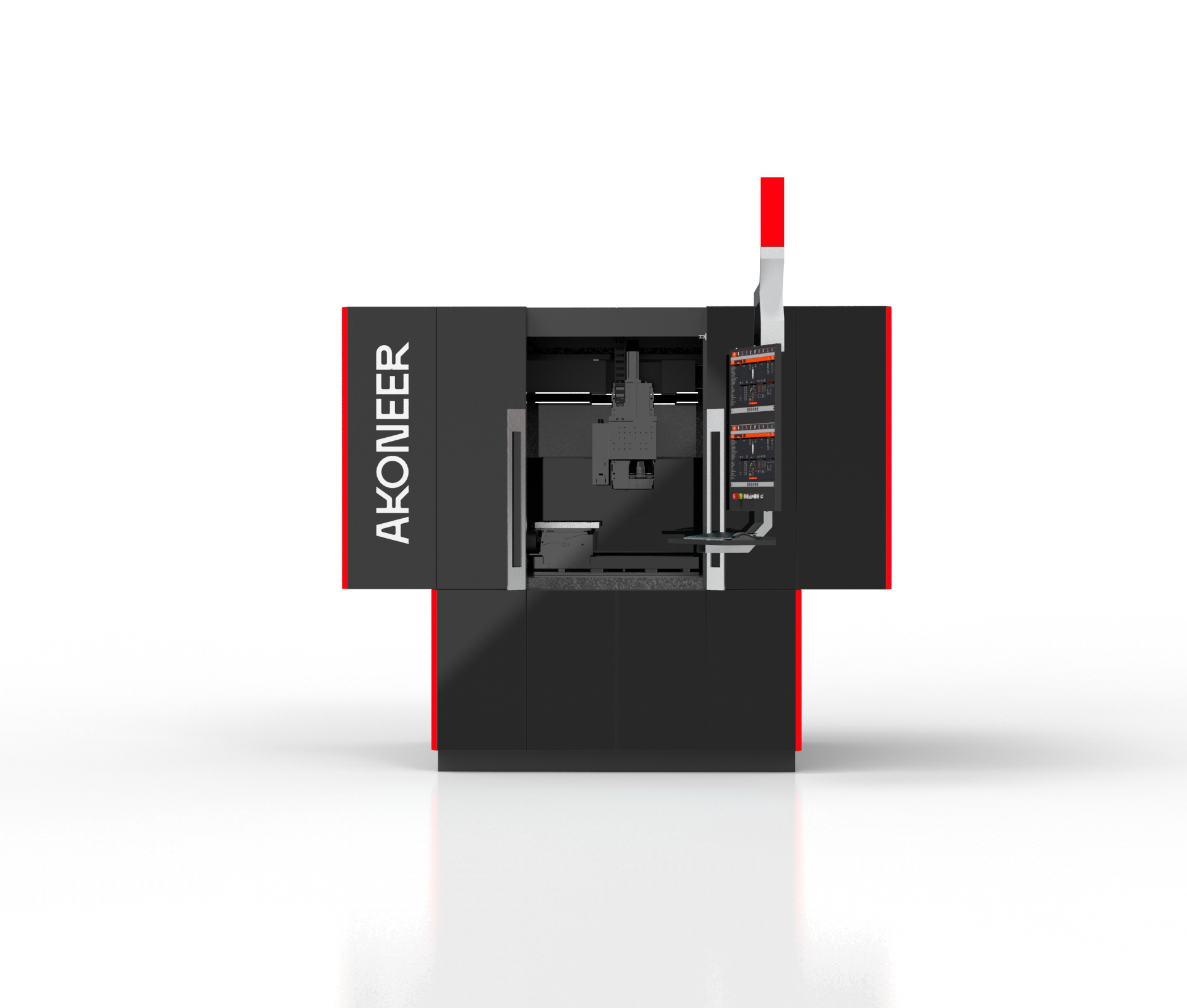
Aluminum laser cutting is a pivotal process in modern manufacturing, offering precision and efficiency that surpass traditional methods. This article examines the intricacies of aluminum laser cutting, its benefits, applications, challenges, and future trends.
Understanding aluminum laser cutting
Aluminum laser cutting involves using a high-powered laser beam to cut aluminum materials into desired shapes and sizes. Typically employing a CO2 or fiber laser with power ranging from 2 to 6 kW, the concentrated beam melts, burns, or vaporizes the metal with remarkable precision. The process, controlled by computer software, enables repeatability with tolerances as tight as ±0.02 mm. The laser interacts complexly with aluminum due to its reflective surface and high thermal conductivity, demanding specialized equipment and expertise.
Advantages of using lasers for cutting aluminum
Laser cutting aluminum offers several distinct advantages. Its precision allows for complex designs difficult to achieve with mechanical tools, and the non-contact nature reduces contamination risk. This method optimizes metal usage, resulting in minimal waste and faster cutting speeds, up to 30 m min⁻¹, compared to traditional techniques. Economically, it reduces tooling costs and facilitates quick design changes. For instance, Tesla uses laser cutting in its production line to enhance efficiency and precision, significantly reducing assembly time.
Applications in various industries
Aluminum laser cutting is versatile and precise, finding applications across multiple industries. In the automotive sector, it cuts body panels and intricate parts requiring high dimensional accuracy. The aerospace industry uses laser cutting to produce lightweight, strong components vital for fuel efficiency. In electronics, it creates detailed parts for devices and enclosures. The construction and architectural sectors employ laser-cut aluminum for decorative elements, facades, and structural components.
Challenges in aluminum laser cutting
Despite its advantages, aluminum laser cutting presents several challenges. The metal's reflectivity can cause laser reflection back into the machine, risking damage unless mitigated by anti-reflective coatings or specialized lasers. Aluminum's high thermal conductivity requires higher laser power and advanced cooling systems to maintain efficiency. Additionally, burrs or rough edges on cut surfaces often necessitate secondary finishing processes to achieve desired surface quality.
Advancements in technology and techniques
Technological advancements continue to enhance aluminum laser cutting. The development of fiber lasers has improved the process, offering higher power densities and efficiencies than CO2 lasers, resulting in faster cutting speeds and better quality. Enhanced CAD and CAM software improve control and accuracy, reducing setup times and enabling more complex designs. Innovations in laser optics and beam delivery systems have further optimized laser and aluminum interactions, minimizing challenges related to reflectivity and heat dissipation.
Environmental and economic impacts
Aluminum laser cutting contributes to environmental sustainability by reducing waste and energy consumption. Precise cutting minimizes material waste, and the ability to cut thinner sheets reduces raw material usage. The process is energy-efficient, especially with advancements in laser technology that improve power efficiency. Economically, reduced waste, lowered tooling costs, and faster production times lead to significant cost savings, making laser cutting an attractive option for companies seeking profitability while maintaining high quality.
The future of aluminum laser cutting
The future of aluminum laser cutting looks promising with ongoing research and development. Emerging technologies such as diode lasers and ultrafast lasers are expected to provide even greater efficiencies and precision. Integrating artificial intelligence and machine learning could lead to smarter laser cutting systems that optimize performance and reduce human intervention. As industries demand more complex and lightweight designs, aluminum laser cutting's role will grow, driven by sustainability and cost-effectiveness, solidifying its place as a cornerstone of modern manufacturing.
Aluminum laser cutting is a transformative process that has reshaped manufacturing. Its ability to provide precise, efficient, and versatile cutting solutions makes it an essential tool for various industries. While challenges remain, technological advancements and a commitment to innovation ensure that aluminum laser cutting will continue to advance, meeting the demands of the future.