Aerospace laser marking
Aerospace laser marking ensures resilient and durable markings essential for safety, compliance, and traceability in extreme conditions.
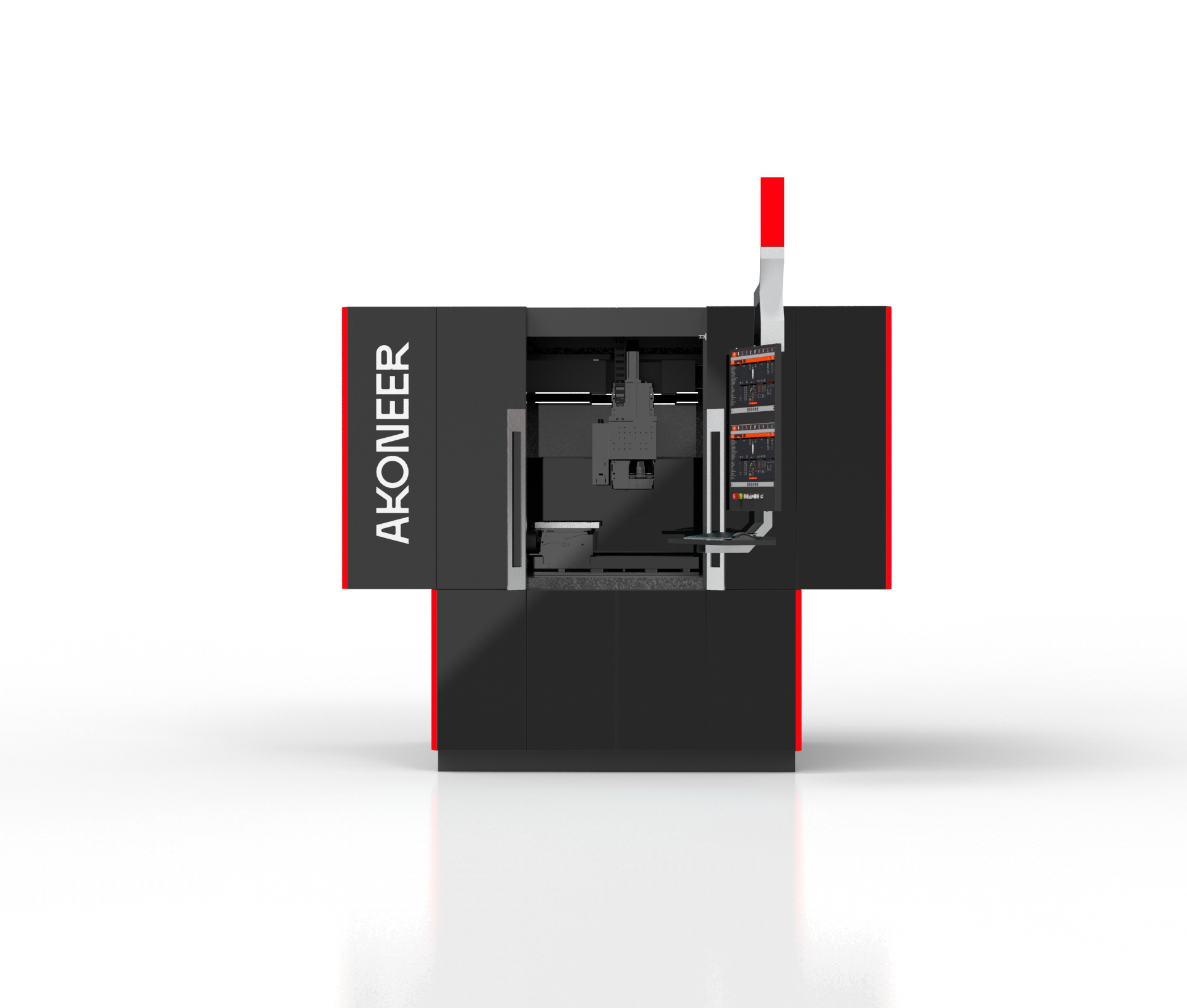
Aerospace laser marking is an essential process in the aerospace industry, where precision, durability, and traceability are of utmost importance. This technology uses laser beams to engrave or etch marks onto various aerospace components. These marks can include serial numbers, logos, or other identifying information crucial for maintaining safety, compliance, and operational efficiency. In this article, we explore the significance of laser marking in aerospace, the technology behind it, its advantages, and its applications.
The importance of laser marking in aerospace
In the aerospace sector, components often encounter extreme conditions, from high temperatures to intense vibrations and pressures. As a result, any method used for marking must be resilient and reliable. Laser marking meets these requirements by providing permanent, legible markings that can withstand harsh environments. This permanence is vital for traceability, ensuring that every part can be tracked throughout its lifecycle, from manufacturing to retirement. Traceability is crucial for maintaining safety standards, facilitating recalls if necessary, and complying with stringent aerospace regulations.
The technology behind laser marking
Laser marking technology uses a concentrated beam of light to alter the surface of a material. This alteration can be a color change, engraving, or the creation of raised marks. The process is precisely controlled, allowing for detailed and intricate markings. Various laser types are used in aerospace applications, including fiber lasers, CO2 lasers, and UV lasers, each with specific advantages and suitable materials. Fiber lasers, for example, are often used for metals due to their effectiveness in creating high-contrast, durable marks. They operate with power levels typically between 20 to 50 watts and can achieve repeatability of ±0.02 mm. The choice of laser depends on the material of the component and the desired outcome.
Advantages of laser marking over traditional methods
Laser marking offers several benefits over traditional marking methods such as inkjet printing or mechanical engraving. A significant advantage is its non-contact nature, which means there is no tool wear or need for consumables like inks or dyes. This non-contact feature also minimizes the risk of damaging delicate components. Additionally, laser marking is highly precise, allowing for the creation of complex patterns and small, detailed text that remains legible even on tiny parts. The process is faster and more efficient, reducing production times and costs. Furthermore, laser marking is environmentally friendly, producing minimal waste and requiring no chemical treatments.
Applications of laser marking in aerospace
Laser marking is used across various applications in the aerospace industry. One common use is marking engine parts with serial numbers for tracking and maintenance purposes. These marks are vital for ensuring that parts are correctly identified and serviced according to specific requirements. Laser marking is also used for branding and labeling on components such as cockpit instruments and control panels, where clarity and readability are crucial. Additionally, laser marking is employed for marking critical safety information on parts like seatbelts and emergency equipment, ensuring that the information remains visible and intact throughout the product's lifespan. Airbus, for example, uses laser marking in their A350 assembly line, allowing them to improve traceability and reduce error rates by 30%.
Challenges and considerations in implementing laser marking
While laser marking offers numerous advantages, its implementation in the aerospace industry requires careful consideration and planning. One challenge is ensuring that the marking process does not compromise the integrity of the component. Excessive heat from the laser could potentially weaken certain materials or alter their properties. Therefore, precise control over the laser's intensity and duration is essential. Additionally, the industry must consider the compatibility of laser marking with various materials used in aerospace, such as advanced composites and specialized alloys. Collaboration with material scientists and engineers is often necessary to develop customized solutions that meet these challenges.
Future trends in aerospace laser marking
As technology advances, the future of aerospace laser marking looks promising. Innovations in laser technology are leading to more efficient, versatile, and cost-effective marking solutions. New developments in computer-aided design and manufacturing are allowing for even greater precision and customization in laser marking processes. Furthermore, as the aerospace industry continues to emphasize sustainability, laser marking's environmentally friendly nature will likely become increasingly important. The integration of laser marking with other manufacturing processes, such as additive manufacturing, is another potential area of growth, offering new possibilities for producing and marking complex components in a single step.
In summary, aerospace laser marking is a critical process that supports safety, traceability, and efficiency in the aerospace industry. By providing durable, precise, and environmentally friendly markings, laser technology plays a vital role in the production and maintenance of aerospace components. As the industry evolves, laser marking will continue to adapt and innovate, meeting the demands of an ever-changing and challenging environment.