Advanced laser and waterjet cutting
Laser and waterjet cutting technologies are transforming manufacturing by improving accuracy and efficiency across various industries.
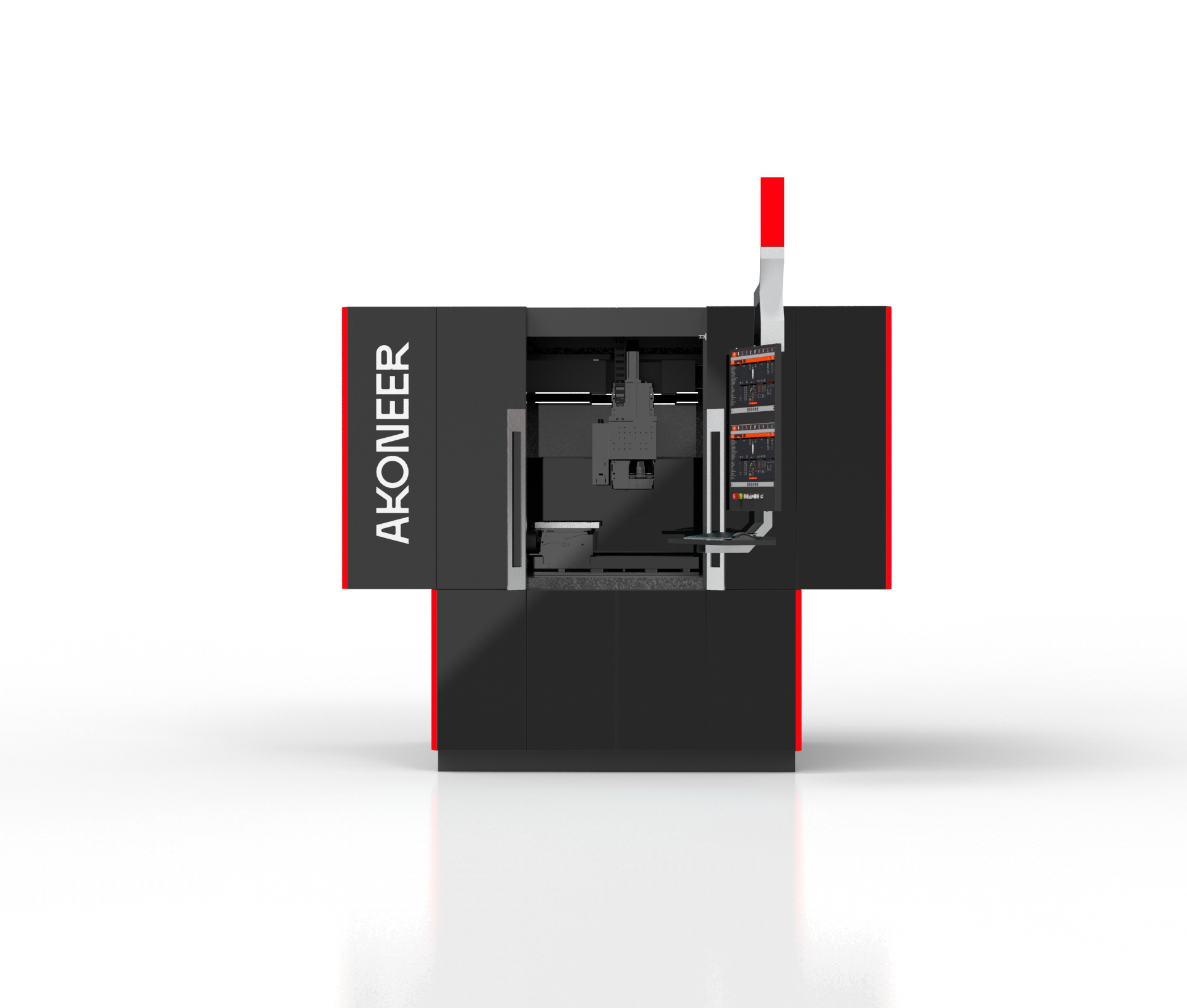
The landscape of modern manufacturing has been significantly reshaped by advancements in cutting technologies, particularly laser and waterjet systems. These technologies stand at the forefront of precision engineering, offering unparalleled accuracy and efficiency. Understanding the intricacies of these systems reveals how they revolutionize industries ranging from aerospace to medicine.
The basics of laser cutting
Laser cutting employs a highly focused beam of light to melt, burn, or vaporize material, achieving precise cuts. The core principle involves a laser source generating light, which is concentrated through lenses to form a fine, powerful beam. This beam is directed onto the material surface, where its intensity allows it to cut through metals, plastics, and even some ceramics with exceptional accuracy. Typical laser systems operate with power levels between 2–6 kW, allowing the cutting of steel up to 20 mm thick with kerf widths around 0.1 mm.
One of the critical advantages of laser cutting is its ability to create complex shapes without the need for tooling, reducing lead time and costs, especially for smaller production runs or custom projects. The precision of laser cutting, with repeatability often within ±0.02 mm, minimizes material waste, making it an eco-friendly option. Additionally, laser systems can be easily automated and integrated with computer numerical control (CNC) systems, enhancing productivity in manufacturing environments.
Exploring waterjet cutting
Waterjet cutting uses a high-pressure stream of water, sometimes mixed with abrasive particles, to cut through materials. This method excels in cutting thick or difficult-to-machine materials like titanium, stone, or composites. Unlike laser cutting, waterjet cutting does not introduce heat into the material, preventing thermal distortion or metallurgical changes. Waterjet systems can cut through materials as thick as 200 mm and often achieve tolerances within thousandths of an inch.
Waterjet systems are renowned for their versatility, precisely cutting a wide range of materials, making them suitable for diverse applications. The lack of heat-affected zones is beneficial in industries where maintaining material integrity is crucial, such as aerospace and automotive. Furthermore, waterjet cutting is environmentally friendly, as it does not produce hazardous gases or waste.
Comparing laser and waterjet technologies
While both laser and waterjet cutting offer precision and efficiency, their differences determine their suitability for specific applications. Laser cutting is ideal for tasks that require high speed and precision on thin to medium-thickness materials, with cutting speeds reaching up to 30 m min⁻¹. It excels in creating intricate patterns and detailed engravings but is less effective for thicker materials due to heat distortion risks.
Waterjet cutting, conversely, shines in applications involving thicker materials or those sensitive to heat. It is slower than laser cutting but compensates with its ability to handle a broader range of materials without compromising structural integrity. The choice between these technologies often depends on project requirements, including material type, thickness, desired speed, and precision.
Applications across industries
The impact of laser and waterjet cutting extends across numerous industries. In aerospace, the precision of these technologies enables the creation of complex components with stringent tolerances, contributing to the production of safer and more efficient aircraft. For example, Boeing uses laser cutting to fabricate lightweight yet durable parts, enhancing fuel efficiency and reducing emissions.
In the automotive sector, these technologies facilitate manufacturing parts that are both lightweight and durable, enhancing vehicle performance. The medical field also benefits significantly; laser cutting is instrumental in producing intricate medical devices and implants, ensuring they meet the highest standards of quality and precision. Waterjet cutting, with its ability to handle heat-sensitive materials, is valuable in fabricating components requiring absolute structural integrity.
Moreover, the architectural and artistic sectors leverage these technologies to bring complex and creative designs to life, transforming visions into tangible realities. The precision and flexibility of laser and waterjet cutting make them indispensable tools in creating aesthetically pleasing and structurally sound projects.
Advancements in cutting technology
Recent advancements in laser and waterjet cutting technologies continue to push the boundaries of what is possible. Innovations in laser sources, such as fiber lasers, have increased efficiency and reduced operational costs. These developments allow manufacturers to achieve faster cutting speeds and higher precision, enabling more intricate and cost-effective production.
In the realm of waterjet cutting, improvements in pump technology have led to higher pressure systems that enhance cutting speed and accuracy. The integration of software solutions has streamlined the design-to-production process, allowing for greater customization and flexibility.
These technological advancements are not only enhancing the capabilities of existing systems but also opening new avenues for application. As research and development continue, the potential for laser and waterjet cutting to revolutionize manufacturing processes grows, promising even greater precision and efficiency in the future.
Advanced laser and waterjet cutting represent a significant leap forward in manufacturing technology. Their ability to cut with precision and efficiency across a wide range of materials and applications makes them invaluable tools in modern industry. As these technologies continue to evolve, they promise to drive further innovation and productivity across various sectors, cementing their role as essential components of the manufacturing landscape.