5 axis laser cutting
5 axis laser cutting enhances manufacturing capabilities by enabling intricate 3D designs across aerospace, automotive, and other industries with increased flexibility and efficiency.
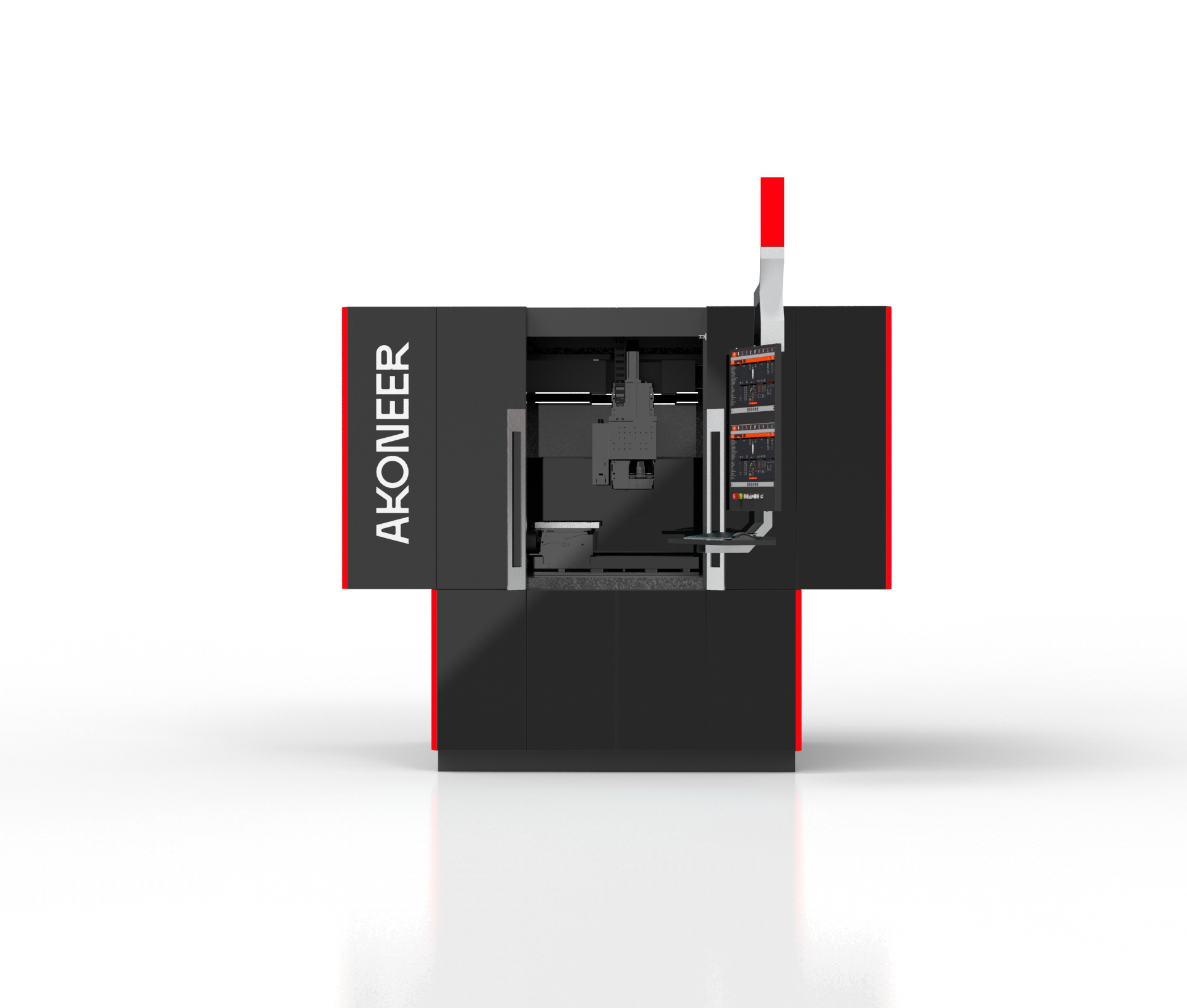
In the realm of precision manufacturing, 5 axis laser cutting stands as a technological marvel that has dramatically transformed how industries approach complex design and fabrication tasks. This advanced laser cutting method offers unmatched flexibility and precision, making it invaluable for sectors such as aerospace, automotive, and beyond. Understanding the intricacies and advantages of 5 axis laser cutting is crucial for businesses aiming to maintain a competitive edge in a rapidly evolving industrial landscape.
Understanding the basics of 5 axis laser cutting
5 axis laser cutting involves using a laser cutter that can move along five different axes simultaneously. Traditional laser cutters typically operate on two or three axes, limiting their ability to cut complex shapes or angles. In contrast, a 5 axis laser cutter adds two additional rotational axes, allowing the laser to approach the material from virtually any angle. This flexibility enables the machine to cut intricate 3D shapes and angles with high precision, making it ideal for producing complex components requiring detailed craftsmanship.
Advantages in precision and flexibility
The primary benefit of 5 axis laser cutting is its exceptional precision. With a kerf as narrow as 0.1 mm and repeatability of ±0.02 mm, the laser beam can produce detailed cuts conforming to exact specifications. This precision is particularly advantageous in industries where accuracy is paramount, such as in medical device or aerospace component production. Additionally, the flexibility provided by the additional axes allows complex geometries to be achieved without multiple setups or repositioning, optimizing production time and reducing errors.
Applications across various industries
5 axis laser cutting is widely used across several industries due to its versatility and precision. In the aerospace industry, it is employed to cut and shape components that must adhere to stringent safety and performance standards. In the automotive sector, it produces lightweight yet strong components that enhance vehicle efficiency and performance. Other industries, such as electronics and medical device manufacturing, benefit from the ability to create complex, miniaturized components that traditional methods cannot produce. An example of its efficacy is the aerospace company Boeing, which uses 5 axis laser cutting to fabricate parts with up to 20 mm steel thickness, significantly reducing production time and waste.
Technological advancements driving efficiency
The evolution of 5 axis laser cutting technology has been marked by continuous advancements enhancing its efficiency and capabilities. Modern 5 axis laser cutters, equipped with sophisticated software, integrate seamlessly with computer-aided design (CAD) systems. This integration allows for precise control over the cutting process, reducing waste and improving material utilization. Additionally, advancements in laser technology have led to increased cutting speeds, reaching up to 30 m/min, and reduced energy consumption, making the process more environmentally friendly while lowering operational costs. As these technologies continue to evolve, they promise even greater efficiencies and capabilities for manufacturers.
Economic implications for manufacturing
The adoption of 5 axis laser cutting has significant economic implications for the manufacturing sector. By increasing precision and reducing waste, manufacturers can improve their bottom lines through cost savings on materials and labor. The ability to produce complex components in a single setup also reduces production time, allowing for faster turnaround and increased productivity. These efficiencies enable companies to remain competitive in a global market that demands high quality and rapid delivery. Furthermore, the versatility of 5 axis laser cutting opens up new opportunities for product innovation, allowing businesses to expand their offerings and tap into new markets.
Challenges and considerations
Despite its many advantages, challenges are associated with implementing 5 axis laser cutting technology. The initial investment in machinery and training can be substantial, which may be a barrier for smaller businesses. Additionally, operating such advanced equipment requires skilled personnel familiar with both the hardware and the associated software. Ensuring that staff are adequately trained and that the machinery is properly maintained is essential to maximizing the benefits of this technology. Businesses must weigh the upfront costs and training requirements against the potential long-term benefits to make informed decisions about adopting 5 axis laser cutting.
Future prospects of 5 axis laser cutting
As industries continue to demand greater precision and efficiency, the future of 5 axis laser cutting looks promising. Ongoing research and development are expected to yield even more advanced systems offering greater speed, precision, and energy efficiency. The integration of artificial intelligence and machine learning could further revolutionize these machines, allowing for predictive maintenance and adaptive cutting strategies that enhance productivity. As technology advances, 5 axis laser cutting is likely to become an even more integral part of modern manufacturing, driving innovation and efficiency across industries.
In summary, 5 axis laser cutting represents a significant leap forward in manufacturing technology, offering unparalleled precision and flexibility. Its applications across various industries highlight its importance as a tool for innovation and efficiency. While there are challenges to its implementation, the potential benefits make it a worthwhile investment for businesses looking to stay ahead in a competitive market. As technology continues to advance, the capabilities of 5 axis laser cutting will only expand, ensuring its relevance well into the future.