3D laser marking
3D laser marking technology enhances manufacturing by enabling detailed engraving on diverse materials and complex surfaces.
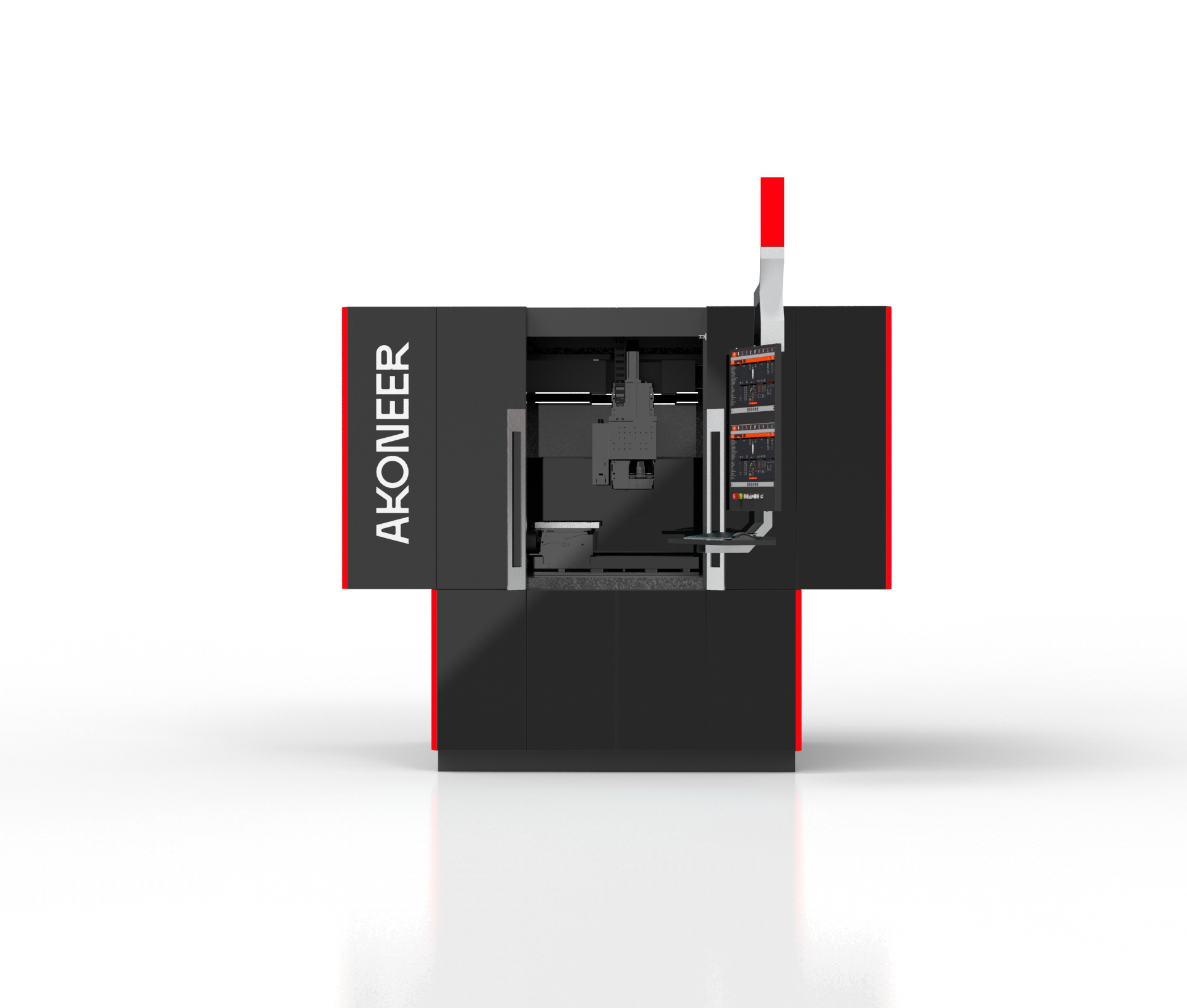
The advent of 3D laser marking technology has transformed various industries, offering precision, efficiency, and versatility. This article explores the intricacies of 3D laser marking, its applications, benefits, and future potential. Understanding the nuances of this technology provides insights into how it is shaping modern manufacturing and consumer products.
Understanding 3d laser marking technology
3D laser marking uses laser technology to engrave or mark three-dimensional surfaces with high precision. Unlike traditional 2D marking, which is limited to flat surfaces, 3D laser marking adapts to complex geometries. The technology employs advanced software to adjust the laser's focal length, maintaining consistent quality on curved or irregular surfaces. This adaptability makes it suitable for a wide range of materials, including metals, plastics, ceramics, and glass. With typical power outputs ranging from 2-6 kW, 3D laser marking systems can achieve remarkable precision with a repeatability of ±0.02 mm.
The core principle involves using a laser beam to alter the surface of a material. The laser's intensity, speed, and focus are meticulously controlled to achieve the desired effect. This non-contact process reduces wear and tear on equipment and minimizes the risk of damaging the product. The precision of 3D laser marking allows for intricate designs and detailed patterns not achievable with traditional methods, with kerf widths approximately 0.1 mm.
Applications across industries
3D laser marking's versatility has led to its adoption across various industries. In the automotive sector, it marks parts with serial numbers, barcodes, and other identifiers, ensuring traceability and authenticity. The aerospace industry relies on it for similar purposes, where precision and durability are paramount. Medical devices benefit as well, enabling the marking of implants and surgical tools with essential information without compromising integrity.
In the consumer electronics industry, 3D laser marking engraves logos, patterns, and serial numbers on devices like smartphones, laptops, and tablets. The jewelry industry leverages this technology for intricate designs and personalized engravings on precious metals and stones. Additionally, it is employed in the packaging industry for creating tamper-evident seals and unique product identifiers, enhancing security and preventing counterfeiting. A notable implementation is at Tesla, where 3D laser marking enhances traceability and quality control, contributing to a 15% reduction in production errors.
Advantages of 3d laser marking
The advantages of 3D laser marking are manifold. One significant benefit is its ability to produce high-quality marks with exceptional clarity and precision. The non-contact nature ensures delicate materials are not subjected to stress or damage, crucial in industries like aerospace and medical devices.
Another advantage is the speed and efficiency of 3D laser marking. The process is faster than many traditional methods, allowing for high-volume production without sacrificing quality. This efficiency translates to cost savings for manufacturers, reducing the time and labor required for marking tasks. The technology also offers design flexibility, enabling easy switching between different patterns and texts, especially beneficial in custom and small-batch production.
Challenges and considerations
While 3D laser marking offers numerous benefits, challenges and considerations exist. The initial investment in equipment can be substantial, which may be a barrier for small-scale manufacturers. Additionally, the technology requires skilled operators who understand laser settings and material interactions.
Another consideration is the maintenance and calibration of the equipment. Proper calibration is essential for maintaining consistent quality. Regular maintenance is necessary to prevent downtime and extend the equipment's lifespan. Despite these challenges, the long-term benefits and efficiencies gained often justify the initial investment and maintenance costs.
Future prospects and innovations
The future of 3D laser marking looks promising, with ongoing innovations and advancements. As laser systems become more sophisticated, the precision and speed of 3D laser marking are expected to improve further. Developments in software will enhance the ability to create complex designs and automate the marking process, increasing efficiency and reducing potential human error.
Emerging materials and manufacturing techniques will expand the applications of 3D laser marking. For instance, the growing field of additive manufacturing, or 3D printing, presents new opportunities for integrating laser marking with production processes. This integration could lead to more seamless and efficient manufacturing workflows, combining the benefits of both technologies.
As industries continue to seek ways to enhance product quality, traceability, and security, 3D laser marking is likely to play an increasingly important role. Its adaptability, precision, and efficiency make it a valuable tool in the modern manufacturing landscape, paving the way for continued innovation and growth.