3D laser glass etching machine
3D laser glass etching machines enable detailed and intricate designs within glass, expanding possibilities in art, design, and manufacturing.
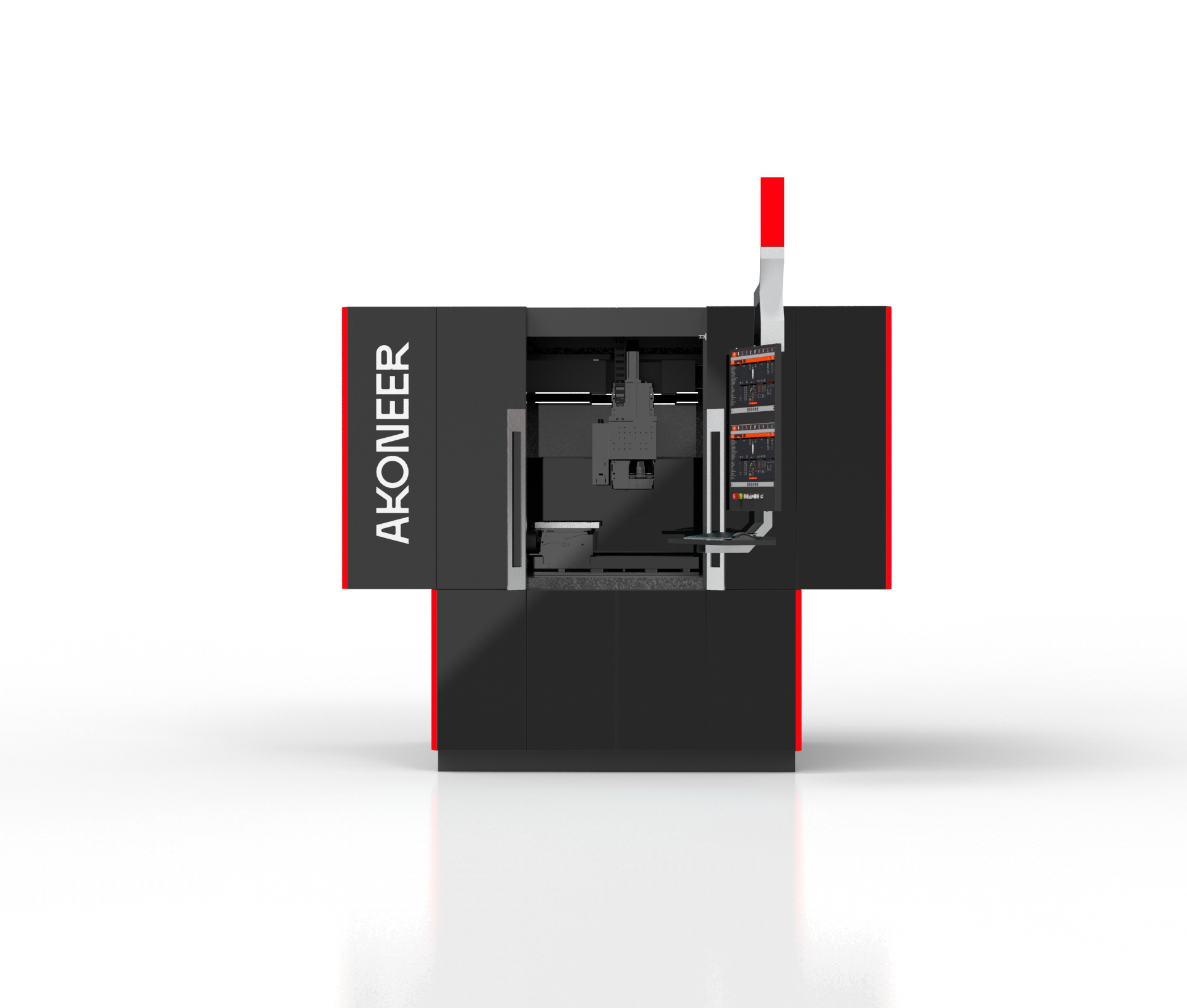
The world of laser technology has seen significant advancements over the years, and one of the standout innovations is the 3D laser glass etching machine. This cutting-edge technology is revolutionizing the way businesses and artists create intricate designs, expanding the boundaries of what is possible in glass art and manufacturing. This article explores the functionality, applications, and benefits of 3D laser glass etching machines.
Understanding the technology
3D laser glass etching uses laser beams to engrave images inside a glass substrate. Unlike traditional etching methods that work on the surface, this technology focuses a laser beam at specific points within the glass. The laser's energy causes micro-fractures at these points, creating detailed images that appear to float within the glass. The precision of the laser allows for high-resolution designs, making it possible to create complex patterns and even multi-dimensional images with incredible clarity. Typical machines operate with power ranging from 2 to 6 kW and achieve repeatability of ±0.02 mm.
Applications of 3D laser glass etching
The applications of 3D laser glass etching machines are diverse, spanning various industries. In art and design, these machines empower artists to craft intricate sculptures and personalized glass artwork that were previously unimaginable. The technology is also employed in creating custom awards and trophies, where detailed designs can be preserved inside the glass, adding sophistication and prestige.
Beyond art, 3D laser glass etching finds use in architecture and interior design. Etched glass panels serve as decorative elements in homes and commercial spaces, offering an elegant and modern aesthetic. The ability to customize designs allows architects and designers to integrate personalized motifs or company logos into glass partitions, doors, and windows.
This technology is making waves in advertising and marketing. Businesses use 3D laser etching to create eye-catching promotional products, like corporate gifts and souvenirs, that leave a lasting impression. The precision and intricacy achievable with laser etching ensure that brand logos and messages are reproduced with exceptional clarity and detail. Notably, Crystal D, a company known for custom awards, reported a 30% increase in client satisfaction after adopting 3D laser glass etching.
Advantages over traditional methods
3D laser glass etching offers several advantages over traditional glass etching techniques. One primary benefit is the unparalleled detail and precision. Traditional methods, such as sandblasting or acid etching, can be limited in resolution and work only on the glass surface. In contrast, laser etching penetrates the glass, enabling intricate designs within the material itself.
Another significant advantage is the non-contact nature of laser etching. The process does not require physical tools to touch the glass, reducing the risk of damage or breakage, which is especially beneficial when working with delicate or thin glass. Additionally, the laser process is faster and more efficient, leading to reduced production times and lower costs. Cutting speeds can reach up to 30 m/min, significantly enhancing throughput.
Environmental considerations also favor laser technology. Traditional etching methods often involve chemicals or abrasives that can harm the environment. Laser etching, however, is a clean process that does not produce hazardous waste, making it a more sustainable option for businesses and artists alike.
Selecting the right machine
Choosing the appropriate 3D laser glass etching machine depends on several factors, including the intended application, budget, and required precision. Machines vary in power, speed, and resolution capabilities, and these specifications significantly impact the design quality and complexity. For businesses focusing on mass production, high-speed machines with robust power capabilities are essential to ensure efficiency. In contrast, artists and small studios may prioritize machines with higher resolution for intricate detailing, even if it means sacrificing some speed.
It is important to consider the software compatibility and ease of use of the machine. Advanced software can enhance design capabilities, allowing users to create more complex and detailed images. Additionally, user-friendly interfaces and customer support can make a significant difference in the operation and maintenance of the machine.
Future prospects
The future of 3D laser glass etching holds exciting possibilities as technology continues to evolve. As laser systems become more advanced, we can expect improvements in speed, precision, and cost-effectiveness. The integration of artificial intelligence and machine learning could further enhance design capabilities, enabling automated processes and even more complex creations.
The potential for innovation in materials is another promising avenue. While glass is the primary substrate for laser etching, research into other materials could expand the applications of this technology into new domains. The combination of 3D laser etching with other manufacturing techniques, such as 3D printing, could also lead to groundbreaking developments in both art and industry.
In summary, 3D laser glass etching machines represent a remarkable leap forward in technology, offering unparalleled precision and versatility. As industries and artists continue to explore the potential of this technology, the possibilities for innovation and creativity are boundless.