3D laser glass engraving
Explore the transformative world of 3D laser glass engraving, where high-powered lasers create intricate, multi-layered designs within glass for diverse applications.
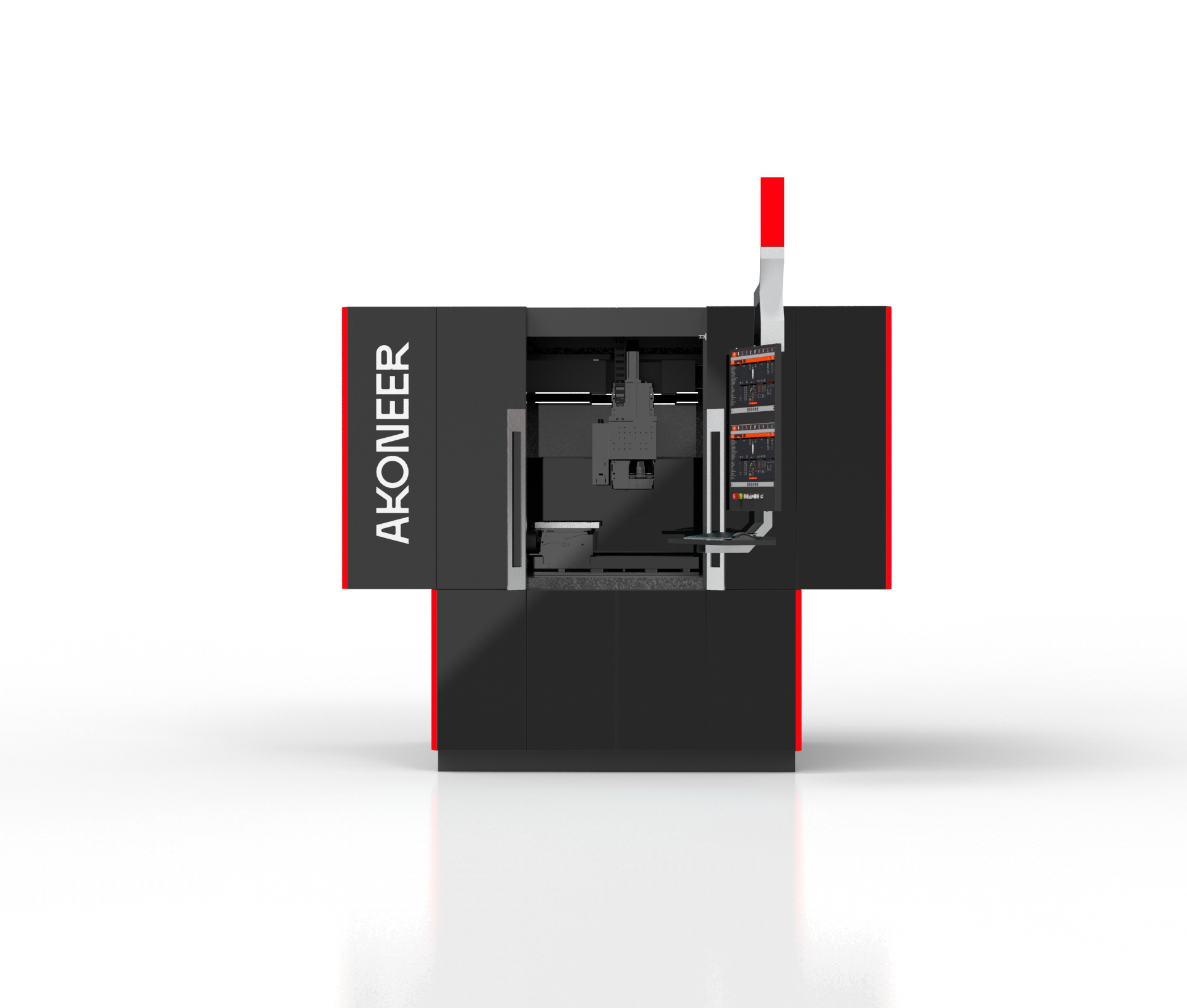
The world of engraving has seen remarkable advancements over the past few decades, with technology pushing the boundaries of what is possible. Among these advancements, 3D laser glass engraving stands out as a transformative technique, offering intricate and precise designs that were previously unimaginable. This article explores the facets of this innovative technology, delving into how it works, its applications, advantages, and the future it holds.
The science behind 3D laser glass engraving
3D laser glass engraving involves using high-powered lasers to etch detailed designs into glass surfaces. The process relies on a laser beam focused inside the glass, creating tiny fractures or points at specific locations. By controlling the laser's intensity, duration, and position, it is possible to create complex three-dimensional patterns within the glass. This technique differs from traditional surface etching, as it works within the glass itself, allowing for multi-layered, highly detailed designs.
The laser beam used is typically a pulsed laser, such as a YAG (yttrium aluminum garnet) laser. These lasers can operate at power levels between 2–6 kW and achieve a repeatability of ±0.02 mm, ensuring meticulous precision. The resolution and quality of the engraving depend on factors like the laser's power, the speed of operation, and the glass's quality.
Applications across various industries
3D laser glass engraving has applications across a wide range of industries due to its versatility and aesthetic appeal. In art and design, artists and sculptors utilize this technology to create unique and intricate pieces that captivate and inspire. The ability to engrave within the glass itself offers a new dimension to artistic expression, allowing for sculptures that interact with light in fascinating ways.
In the corporate world, businesses use 3D laser engraving for branding and promotional materials. Custom awards, trophies, and corporate gifts are often enhanced with this technology, offering a personalized touch that is both elegant and professional. The precision of the laser ensures that logos, names, and intricate designs are rendered accurately, reflecting the quality and attention to detail that businesses strive to convey.
The technology is also gaining traction in architecture and interior design. Glass panels and decorative elements featuring 3D engravings can transform spaces, adding sophistication and a modern touch. The engravings can be customized to fit any design theme, making them ideal for both residential and commercial settings.
Advantages over traditional engraving techniques
One of the primary advantages of 3D laser glass engraving is its ability to produce highly detailed and accurate designs. Traditional engraving methods often involve manual processes that can be time-consuming and prone to human error. In contrast, laser engraving is automated, allowing for consistent and repeatable results. This precision is particularly important in applications where accuracy is paramount, such as scientific instruments or technical components.
The non-contact nature of laser engraving is another significant advantage. Since the laser operates without physically touching the glass, there is no risk of scratching or damaging the surface. This makes it ideal for delicate materials and ensures that the glass remains pristine, with the engravings enhancing rather than detracting from its natural beauty.
Furthermore, 3D laser engraving is a clean process, producing minimal waste and requiring no chemical agents. This aligns with growing environmental consciousness and the demand for sustainable manufacturing practices. The process is energy-efficient and can be integrated with other digital technologies, offering a streamlined production workflow.
Challenges and considerations
Despite its many advantages, 3D laser glass engraving is not without its challenges. The initial setup cost for laser engraving systems can be high, which may be a barrier for smaller businesses or individual artists. However, as technology advances and becomes more widespread, these costs are expected to decrease, making the technology more accessible.
Another consideration is the need for skilled operators who understand the intricacies of laser operation and design software. While the process itself is automated, setting up the engravings and ensuring optimal results require expertise. Training and education in this field are crucial to harness the full potential of the technology.
Looking towards the future
As 3D laser glass engraving continues to evolve, it is poised to become an integral part of manufacturing and design. Ongoing research and development are likely to lead to further refinements in laser technology, increasing resolution, speed, and efficiency. This will open up new possibilities for customization and innovation across various industries.
There is also potential for integration with other emerging technologies, such as augmented reality and 3D printing. These synergies could lead to groundbreaking applications that leverage the strengths of multiple technologies, offering unparalleled design and functionality.
In summary, 3D laser glass engraving represents a significant advancement in engraving technology, offering precision, versatility, and aesthetic appeal. As the technology matures, it is set to leave a lasting impact on art, design, and industry, shaping the way we perceive and interact with glass.