3D laser glass
3D laser glass technology enables the creation of intricate designs within glass for diverse applications in art, industry, and science.
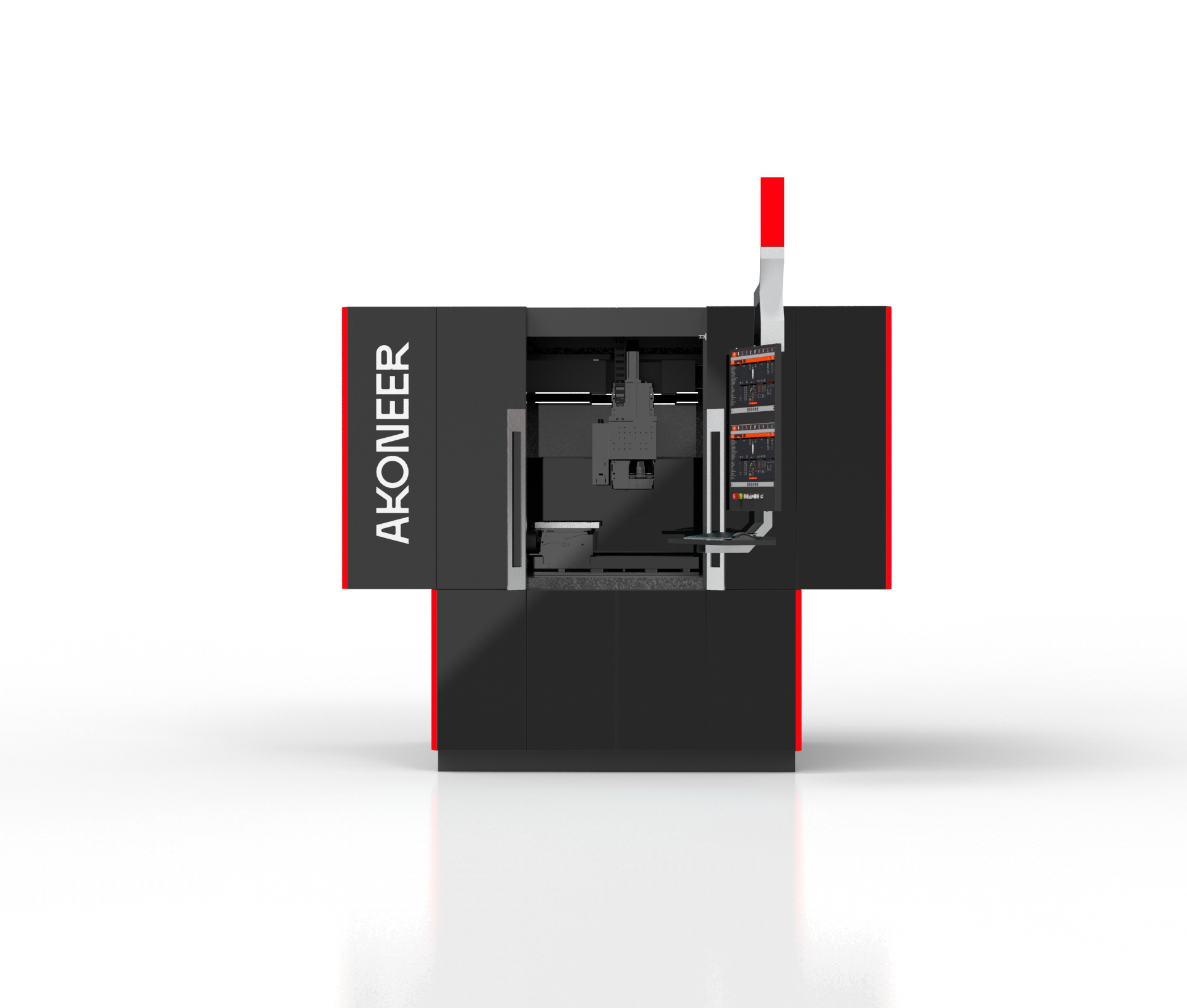
The advent of 3D laser glass technology has revolutionized both the art and industrial sectors. This article explores the intricacies of this technology, its applications, benefits, and the future it heralds for various industries.
Understanding 3d laser glass technology
3D laser glass technology uses lasers to engrave intricate designs and patterns into glass. High-precision laser beams focus on specific points within the glass, creating internal modifications without affecting the surface. These internal points form a three-dimensional image, varying from simple geometric shapes to elaborate portraits and structures. The laser operates at a wavelength that passes through the surface but alters the glass's internal structure. This non-invasive technique ensures the glass remains intact and smooth outside while encapsulating detailed images within. The precision can reach a repeatability of ±0.02 mm, highlighting the level of detail achievable.
Applications in art and design
Artists and designers have embraced 3D laser glass technology for its ability to bring complex and detailed designs to life. This technology allows artists to create sculptures and installations that capture intricate details with precision unattainable by traditional methods. Architectural models, awards, and personalized gifts are just a few examples of how this technology serves the creative industry. By enabling artists to work directly from digital models, 3D laser glass bridges the gap between digital design and physical reality, allowing for the creation of pieces that can be both mass-produced and unique. The transparency of glass adds depth and intrigue, as the artwork appears to float within the medium, offering a dynamic viewing experience.
Industrial and scientific applications
Beyond art, 3D laser glass has significant applications in industrial and scientific fields. In the electronics industry, laser-engraved glass components are used in precision equipment and devices. The ability to create internal structures without compromising surface integrity is valuable in optical devices and components, where any surface alteration could adversely affect functionality. In scientific research, this technology assists in creating microfluidic devices and other complex structures required in biotechnology and chemical analysis. The precision and non-invasive nature of 3D laser glass make it ideal for applications where exacting standards are necessary. Companies like Crystalix have adopted this technology to produce high-quality glass awards with intricate internal designs, reducing production time by 30% compared to traditional methods.
Advantages of 3d laser glass technology
3D laser glass technology offers unparalleled precision, allowing for intricate designs that conventional methods cannot achieve. The process is efficient, requiring no direct material contact, reducing wear and tear on equipment. Additionally, the technology is versatile, working with various types of glass, including borosilicate, fused silica, and colored glass. This adaptability allows for a wide range of applications across sectors. Moreover, as the process involves no harmful chemicals or emissions, it is environmentally friendly, aligning with the demand for sustainable manufacturing practices. Typical laser power used in this process ranges from 2–6 kW, showcasing its capability to handle diverse materials.
Challenges and limitations
Despite its benefits, 3D laser glass technology faces challenges. Initial setup costs can be high, requiring specialized equipment and software. There is a steep learning curve associated with mastering the technology, which can be a barrier for smaller firms or individual artists. Additionally, the process can be time-consuming for highly detailed designs, limiting its use in mass production scenarios. Material limitations exist, as some glass types may not respond well to laser engraving, potentially leading to cracks or imperfections. These challenges necessitate ongoing research and development to improve the technology's efficiency and accessibility.
The future of 3d laser glass
As technology advances, the future of 3D laser glass appears promising. Ongoing research aims to enhance the speed and precision of the engraving process, making it more accessible to a broader range of industries. There is significant potential for integration with other technologies, such as augmented reality and digital fabrication, to create more sophisticated applications. As the technology becomes more refined and cost-effective, its use is likely to expand into new areas, including medical imaging and aerospace engineering, where the precision and non-invasive nature of laser engraving could offer substantial benefits. The continued evolution of 3D laser glass technology will lead to new possibilities, transforming industries and creating opportunities that were once unimaginable.
In summary, 3D laser glass technology is a transformative force in both the artistic and industrial worlds. Its ability to create intricate, detailed designs within glass opens up myriad possibilities across various sectors. Despite its current limitations, ongoing advancements promise to expand its applications and accessibility. As this technology continues to evolve, it is set to play an increasingly vital role in the future of manufacturing and design.