3D laser etching machine
3D laser etching machines enhance material processing by enabling detailed designs across diverse industries, including manufacturing, art, and medicine.
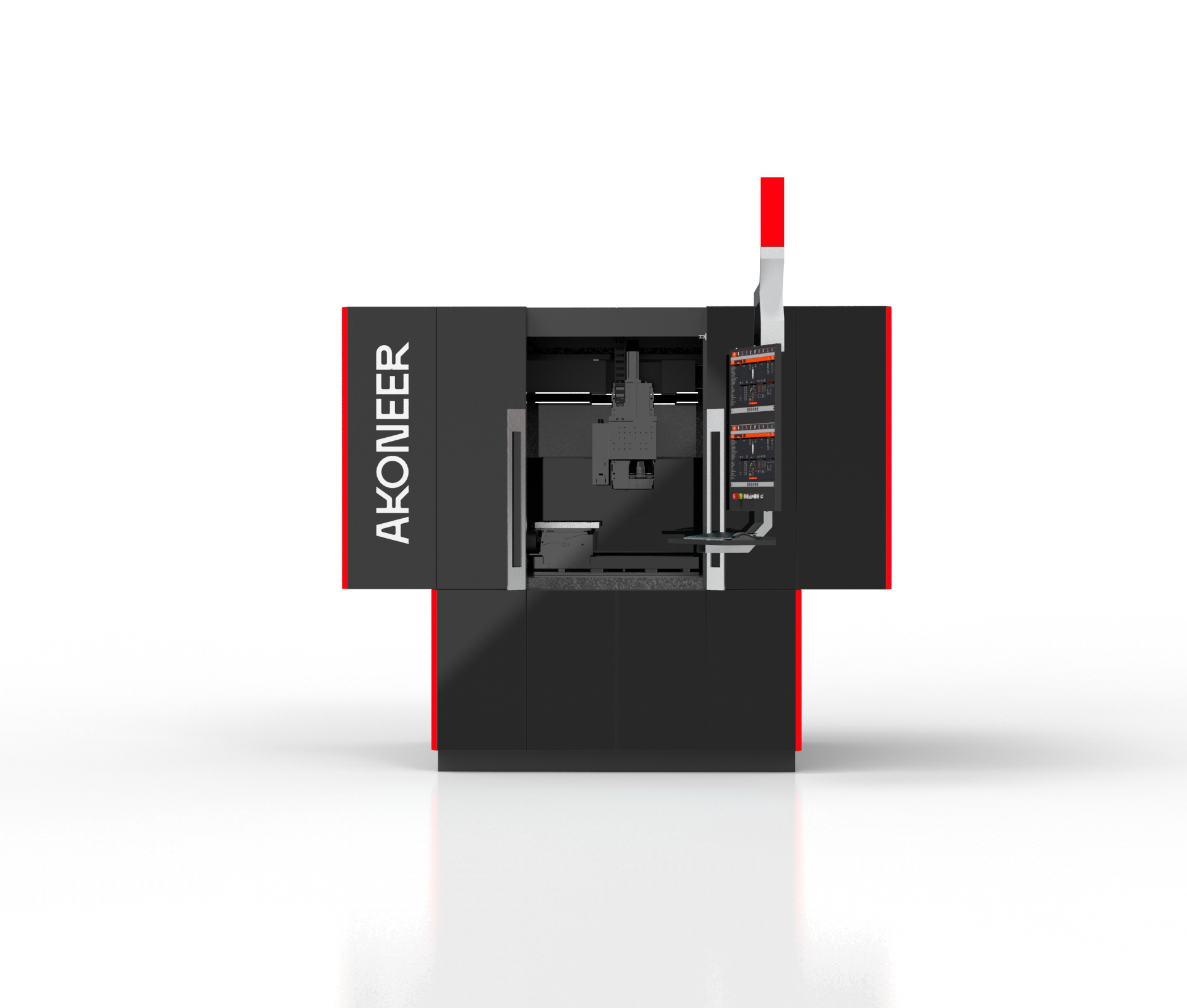
The 3D laser etching machine stands at the forefront of technological progress in material processing. Its ability to etch intricate designs into various materials has transformed industries ranging from manufacturing to art. This article delves into the fundamentals of 3D laser etching, explores its technological advancements, and highlights the wide range of applications it serves.
Understanding 3D laser etching technology
3D laser etching uses concentrated laser beams to engrave or mark a material's surface, creating intricate and precise designs. Unlike traditional engraving methods, laser etching allows for non-contact processing, significantly reducing the risk of material damage. The laser operates by vaporizing the surface layers, achieving a precision of approximately ±0.02 mm. This technology is particularly effective on materials such as glass, crystal, metal, and certain plastics, offering a level of detail and cleanliness unattainable by manual methods.
The key to 3D laser etching lies in manipulating the laser's intensity and focal length, enabling the creation of three-dimensional patterns. By adjusting these parameters, operators can achieve varying depths and textures within a single design. Computer-aided design (CAD) software further enhances this capability, reproducing complex patterns with remarkable consistency.
Technological advancements in 3D laser etching
Recent advancements in laser technology have significantly enhanced the capabilities and efficiency of 3D laser etching machines. One notable development is the introduction of fiber lasers, which offer higher precision and faster processing speeds—up to 30 m/min—compared to traditional CO2 lasers. Fiber lasers also provide a longer operational life and require less maintenance, making them a cost-effective option for businesses.
Another important advancement is the integration of real-time monitoring and feedback systems. These systems allow operators to monitor the etching process and make adjustments on the fly, ensuring optimal results and reducing material waste. Additionally, the incorporation of artificial intelligence and machine learning algorithms has streamlined the design-to-production pipeline, automatically optimizing patterns based on material properties and desired outcomes.
Applications across various industries
The versatility of 3D laser etching machines makes them invaluable across numerous industries. In manufacturing, they are used to mark parts with serial numbers, barcodes, or logos, ensuring traceability and brand recognition. The precision of laser etching is particularly beneficial in the electronics industry, where circuit boards and microchips require meticulous detailing.
In the realm of art and design, 3D laser etching offers artists a new medium to explore. The ability to engrave intricate designs into glass or crystal allows for the creation of stunning sculptures and decorative pieces. Additionally, the jewelry industry has embraced laser etching to inscribe personalized messages or intricate patterns onto precious metals, enhancing the uniqueness and value of each piece.
The medical field has also found applications for 3D laser etching, particularly in the creation of custom implants and prosthetics. The precision of the etching process ensures that these medical devices fit perfectly and function as intended. Furthermore, the ability to etch anti-counterfeit markings onto pharmaceutical products helps combat the proliferation of fake medications, safeguarding public health.
Challenges and considerations
Despite its many advantages, there are challenges associated with 3D laser etching that must be considered. The initial investment in laser etching technology can be significant, particularly for small businesses. Moreover, operators require specialized training to effectively manage the machines and software, which can add to operational costs.
Material selection is another critical consideration. Not all materials are suitable for laser etching, and some may produce hazardous fumes when exposed to laser beams. Proper ventilation and safety measures are essential to ensure a safe working environment.
The future of 3D laser etching machines
The future of 3D laser etching machines looks promising as technology continues to evolve. Researchers are exploring new laser sources and wavelengths to expand the range of materials that can be etched. Enhanced software capabilities, including more intuitive user interfaces and improved design tools, are expected to make the technology more accessible to a broader range of users.
Furthermore, as industries increasingly prioritize sustainability, the efficiency and precision of laser etching align well with efforts to minimize waste and energy consumption. The potential for innovation within this field is vast, with continuous advancements likely to open up new possibilities and applications.
3D laser etching machines represent a significant leap forward in material processing technology. Their precision, versatility, and efficiency make them indispensable tools across various industries, from manufacturing to art and medicine. As technology advances, these machines are poised to become even more integral to modern production and design processes, shaping the way we create and interact with the world around us.