3D laser etching
3D laser etching uses laser beams to create detailed designs on various materials, offering versatility and accuracy for applications in industries from manufacturing to art.
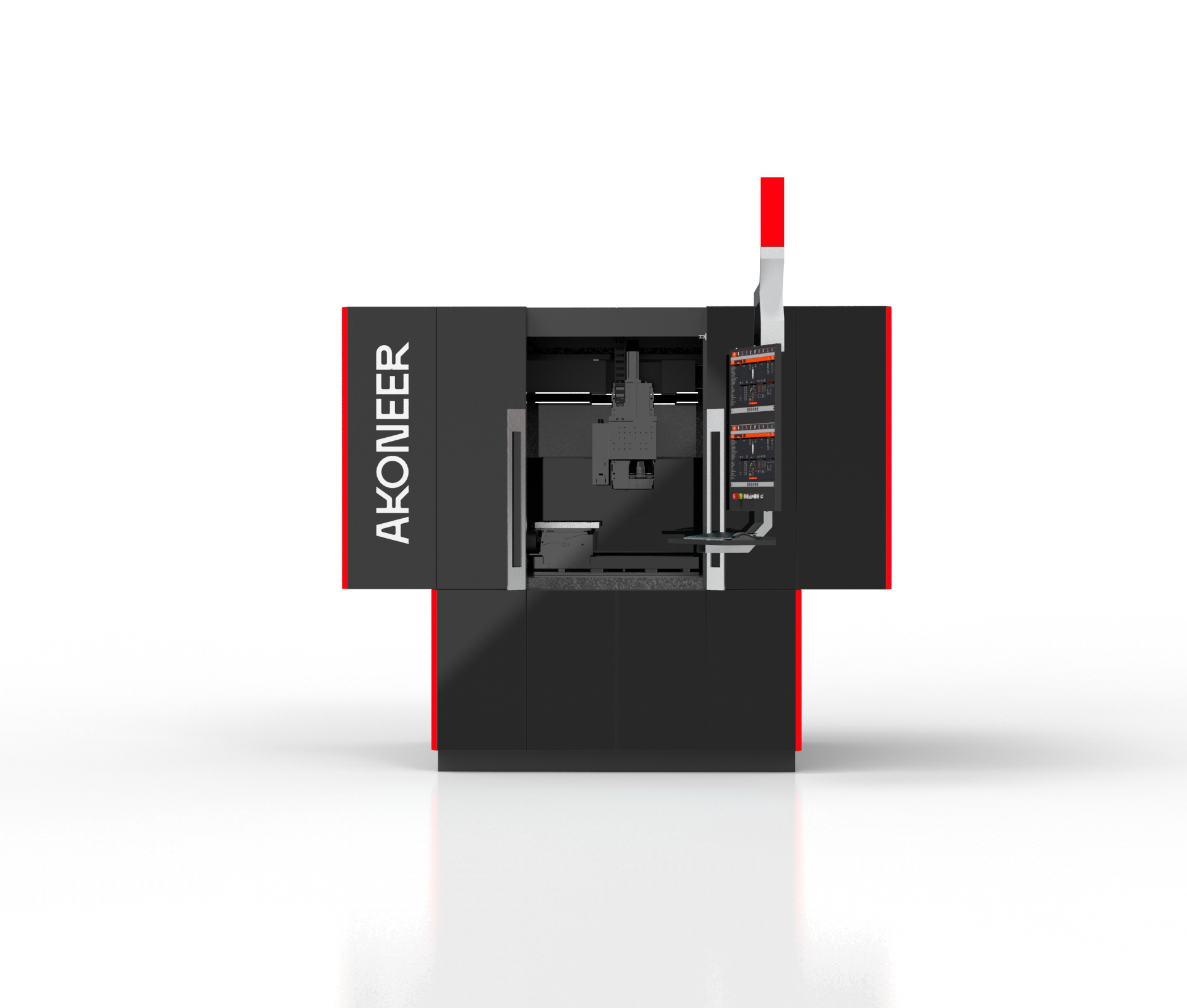
3D laser etching is a cutting-edge technology transforming industries from manufacturing to art. Utilizing laser beams, this process creates intricate designs and patterns on diverse materials. Combining precision with versatility, 3D laser etching is gaining momentum in various applications. This article delves into the principles of 3D laser etching, its applications, benefits, and future potential.
Understanding the technology
3D laser etching employs high-intensity laser beams to engrave or mark materials without physical contact, unlike traditional methods. This non-contact process allows the creation of complex, detailed designs without tool wear. A computer system precisely controls the laser beam, ensuring meticulous detail and depth. This precision is vital for industries demanding high accuracy, such as aerospace and electronics, with repeatability often as fine as ±0.02 mm.
Materials suitable for 3D laser etching
A key advantage of 3D laser etching is its material versatility. It can be applied to metals, plastics, glass, wood, and some ceramics, broadening its scope across sectors. Calibration of the laser's power, speed, and focus is crucial, as materials interact differently with the laser. Metals may require high-power lasers of 2–6 kW due to their reflective nature, while glass needs lower power to avoid cracking. This adaptability makes the technology invaluable for industries needing customization and precision.
Applications across industries
3D laser etching finds applications in various fields, from functional to decorative. In manufacturing, it marks components with serial numbers, logos, or barcodes, ensuring traceability and authenticity. The automotive sector uses it for part etching to prevent counterfeiting. In electronics, it creates precise circuit patterns on PCB boards. Beyond industrial uses, artists and designers produce intricate artworks and personalized gifts with it. In architecture, it aids in creating detailed models and decorative panels, enhancing aesthetic value.
Advantages over traditional techniques
3D laser etching offers numerous advantages over traditional engraving. Its non-contact nature minimizes the risk of surface damage, crucial for delicate or valuable items. The process's precision and repeatability ensure consistent quality, essential for mass production. It enables rapid prototyping, reducing the time from design to production. The flexibility in design options and digital file compatibility allow quick, efficient modifications. Additionally, it produces minimal waste compared to traditional methods, which generate chips and debris.
Challenges and considerations
Despite its benefits, 3D laser etching poses challenges. The initial investment in laser equipment can be substantial, requiring businesses to assess costs against benefits. Operators need specialized training to effectively manage machinery and software. The process can be energy-intensive, depending on material and design complexity. Reflective metals present challenges without proper calibration. These factors require careful analysis of intended applications and cost implications before adopting 3D laser etching technology.
The future of 3D laser etching
The future of 3D laser etching appears promising with ongoing advancements in laser technology. Researchers are developing more efficient, powerful lasers capable of faster etching with even greater precision. Software innovations are enhancing laser system capabilities, making them more user-friendly and accessible to more industries. As sustainability becomes crucial, efforts are underway to reduce laser machine energy consumption, enhancing environmental friendliness. Integrating artificial intelligence and machine learning could further revolutionize the process, offering real-time adjustments and optimizing efficiency. With these advancements, 3D laser etching is set to become a more integral part of modern manufacturing and design.
In summary, 3D laser etching is a transformative technology with extensive applications and benefits. Its ability to work with various materials and create detailed, precise designs makes it an invaluable tool across multiple industries. While challenges remain, ongoing advancements promise to expand its capabilities and accessibility, paving the way for more innovative uses in the future. As industries continue exploring 3D laser etching possibilities, this technology is poised to become an essential component of modern manufacturing and design processes.