3D laser engraving
3D laser engraving enhances material processing by creating intricate, multi-dimensional designs across various industries with efficiency and versatility.
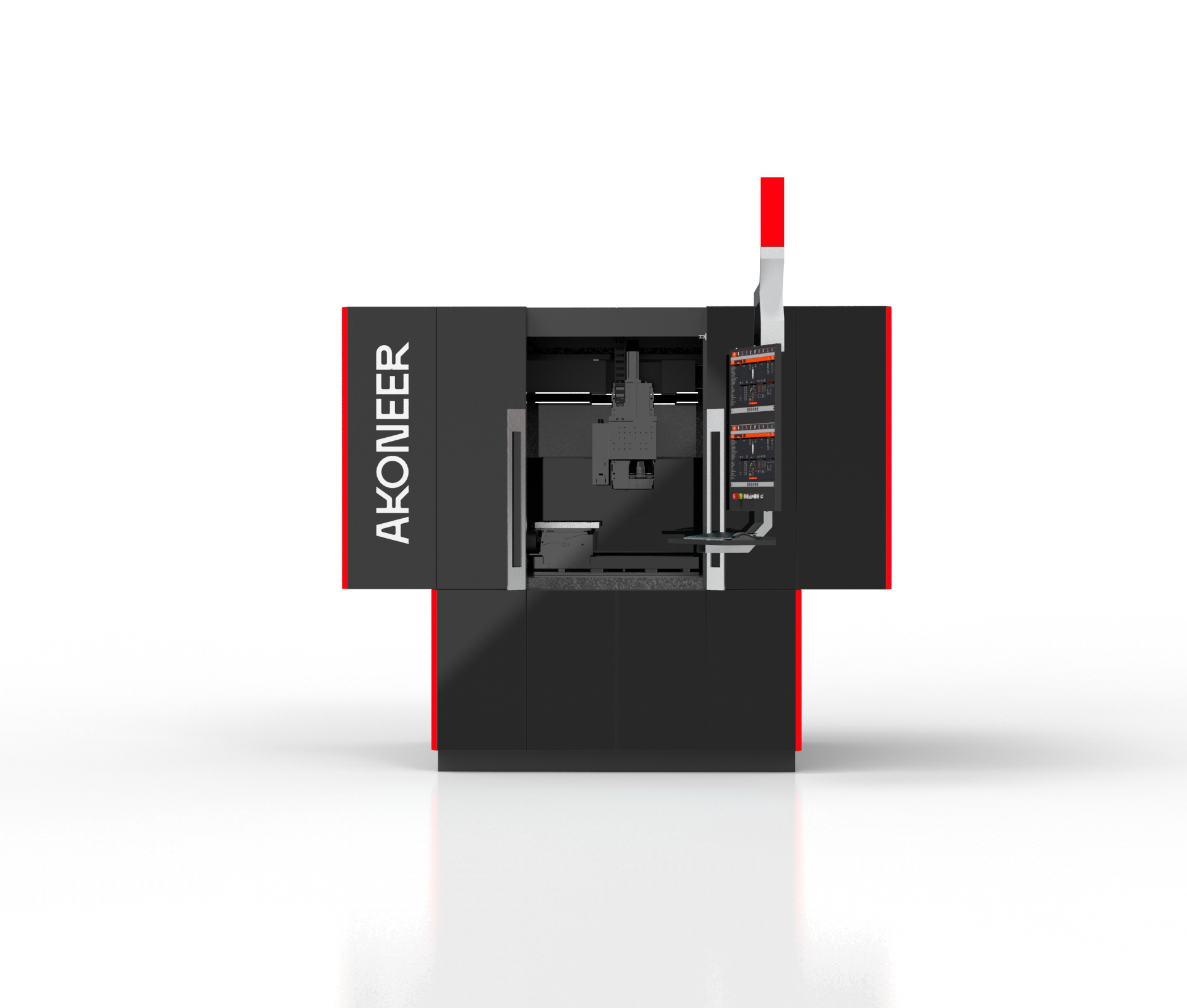
3D laser engraving represents a significant advancement in material processing, offering precision and versatility. This technology employs laser beams to engrave intricate designs onto various materials, creating depth and detail that traditional methods cannot achieve. As industries demand customized, high-quality products, 3D laser engraving has emerged as a crucial tool, providing solutions across numerous applications, from art and design to industrial manufacturing.
Understanding 3d laser engraving technology
At its core, 3D laser engraving uses focused laser beams to remove material and create designs with depth and texture. The process begins with a digital 3D model, translated into instructions for the laser machine. Unlike traditional engraving that operates on a two-dimensional plane, 3D laser engraving adjusts the laser’s intensity and focus to carve varying depths. This capability adds a new dimension to engraving, allowing for complex and realistic designs.
The precision of 3D laser engraving is largely due to the laser beam's accuracy, which can be controlled with extraordinary precision. The technology allows for detailed designs, even on a microscopic scale, with repeatability as tight as ±0.02 mm. Compatible with a wide range of materials, including metals, plastics, wood, and glass, this technology is versatile across many industries. Typical laser power ranges from 2 to 6 kW, accommodating various material properties.
Applications across industries
The applications of 3D laser engraving are vast and varied, underscoring its versatility in modern manufacturing and design. In the jewelry industry, it allows for intricate designs that enhance aesthetic value. The technology engraves delicate patterns and textures difficult to achieve by hand. In industrial sectors, 3D laser engraving is used for marking components with serial numbers, barcodes, and other identifiers, being particularly useful in aerospace and automotive industries where precision and durability are essential. The markings created by laser engraving are resistant to wear and tear, ensuring essential information remains legible over the product's lifetime.
Artists and designers benefit as well; detailed, multi-dimensional designs open up new possibilities in creative expression. From custom artwork to personalized gifts, 3D laser engraving offers a new level of customization and creativity. For example, a company like Trotec Laser uses this technology to produce art pieces with complex, layered designs, reducing production time by up to 40% while maintaining high-quality output.
Advantages of 3d laser engraving
The advantages of using 3D laser engraving over traditional methods are significant. The level of detail achievable is unmatched, with designs exhibiting fine lines and complex textures not possible with conventional techniques. Speed is another advantage; once the digital design is ready, the engraving process is quick, allowing for high throughput and efficiency. This makes laser engraving an ideal choice for both small-scale production and mass manufacturing.
Additionally, 3D laser engraving is a non-contact process, meaning no physical tool touches the material. This reduces the risk of material damage and extends the life of engraving equipment. The process is also environmentally friendly, as it does not require chemicals or other consumables.
Challenges and considerations
Despite its advantages, challenges exist with 3D laser engraving. The initial setup and cost of laser equipment can be high, which might be a barrier for small businesses or individual users. However, the long-term benefits and efficiency gains often outweigh the initial investment. Another consideration is the need for skilled operators to create and manage the digital designs used in the engraving process. While software has become more user-friendly, expertise is required to maximize the potential of 3D laser engraving technology.
Material compatibility is another factor to consider. While lasers can engrave a wide range of materials, the engraving quality can vary depending on material properties. It is important to choose the right laser settings and equipment to achieve the best results. Typical cutting speed can reach 30 m min⁻¹, making it crucial to adjust settings accordingly.
The future of 3d laser engraving
The future of 3D laser engraving looks promising, with ongoing advancements in technology and software. As laser equipment becomes more affordable and accessible, more industries and individuals are likely to adopt this technology. Innovations such as more powerful lasers, improved software, and integration with other manufacturing technologies will continue to expand the capabilities and applications of 3D laser engraving.
Research into new materials and laser techniques is likely to enhance the versatility of this technology. As industries continue to demand higher precision and customization, 3D laser engraving will play an increasingly important role in meeting these needs. In summary, 3D laser engraving is a powerful and versatile technology that has transformed material processing. Its ability to create detailed, multi-dimensional designs with precision and efficiency makes it invaluable across a wide range of industries. As technology evolves, the potential applications and benefits of 3D laser engraving will only grow.