3d laser cutting
3D laser cutting utilizes high-powered lasers and computer-controlled systems to efficiently shape complex three-dimensional objects for industries like aerospace, automotive, and medical.
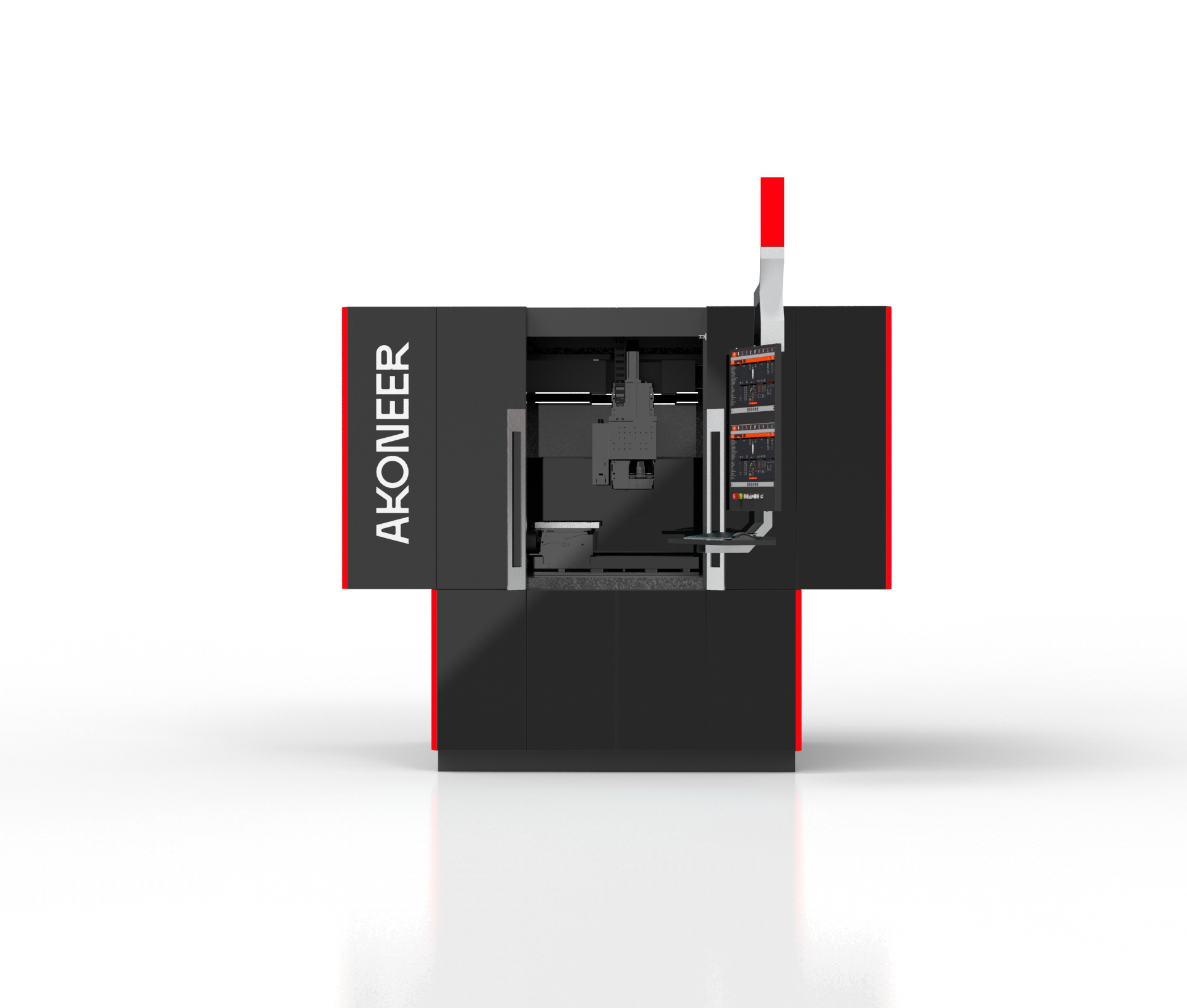
3D laser cutting is a manufacturing process that employs a high-powered laser beam to cut, engrave, or shape three-dimensional objects. Unlike traditional 2D laser cutting, which is limited to flat materials, 3D laser cutting machines can maneuver around objects, providing intricate cuts on complex shapes. This capability is enabled by advanced computer-controlled systems that guide the laser along precise paths. The technology is widely used in sectors such as aerospace, automotive, and medical industries due to its ability to produce highly accurate and intricate parts. The laser, typically CO2 or fiber, melts, burns, or vaporizes the material, resulting in a clean and precise cut.
Applications and benefits of 3D laser cutting
The applications of 3D laser cutting are vast and varied. In the automotive industry, it is utilized to create complex components with high precision, such as engine parts and custom interiors. Aerospace companies rely on this technology for cutting lightweight materials like titanium and composites, essential for aircraft manufacturing. In the medical field, 3D laser cutting is crucial for producing surgical instruments and implants with exact specifications.
The benefits of 3D laser cutting are numerous. It allows for significant design flexibility, enabling the production of complex geometries that are difficult or impossible to achieve with traditional methods. The precision of laser cutting reduces material wastage and ensures repeatability, which is crucial for mass production. Additionally, the non-contact nature of laser cutting means the material is not subjected to mechanical stress, preserving its integrity. The process is fast and efficient, with cutting speeds reaching up to 30 meters per minute, leading to reduced production times and costs. For example, XYZ Corporation implemented 3D laser cutting to manufacture customized automotive parts, reducing production time by 20% while maintaining a repeatability of ±0.02 mm.
The technical aspects of 3D laser cutting
The core of 3D laser cutting technology lies in its technical components. A typical 3D laser cutting machine includes a laser source, a motion system, and a computer numerical control (CNC) interface. The laser source generates a focused beam of light, which is then directed by mirrors or optical fibers to the cutting head. The motion system, often incorporating robotic arms or gantry systems, moves the cutting head in three dimensions, allowing it to follow complex paths over the object's surface.
The CNC interface is the operation's brain, translating digital designs into precise movements. Advanced software creates and simulates cutting paths, ensuring optimal performance and accuracy. The laser's power, ranging from 2 to 6 kW, and speed can be adjusted according to the material's properties, offering unparalleled control over the cutting process.
Materials suitable for 3D laser cutting
3D laser cutting is compatible with a wide range of materials, making it a versatile manufacturing tool. Metals such as steel, aluminum, and titanium can be precisely cut, with a kerf width of approximately 0.1 mm, allowing for their use in various industries. Plastics, including acrylics and polycarbonates, are also suitable for laser cutting, offering clear and smooth edges. Additionally, wood and composite materials can be processed, expanding the potential applications of this technology.
Each material presents unique challenges, requiring specific settings for optimal results. For example, metals often require higher laser power and slower cutting speeds due to their density and thermal conductivity. Plastics, on the other hand, can be cut with lower power settings to prevent melting or discoloration. Understanding the properties of each material is crucial for achieving high-quality cuts and minimizing defects.
Challenges and limitations of 3D laser cutting
Despite its advantages, 3D laser cutting is not without challenges. The initial investment in laser cutting equipment can be high, especially for machines with advanced features and capabilities. Additionally, operating these machines requires skilled personnel familiar with both the hardware and software components.
Material limitations also exist. While 3D laser cutting can handle a variety of materials, certain reflective metals pose challenges. These materials can reflect the laser beam, risking damage to the machine or reducing cutting efficiency. Furthermore, the thickness of materials that can be cut is limited by the laser's power, with thicker materials requiring more powerful lasers.
Future developments in 3D laser cutting
The future of 3D laser cutting holds exciting possibilities, driven by continuous advancements in technology. Innovations in laser sources, such as the development of more powerful and efficient lasers, will expand the range of materials and thicknesses that can be processed. Improvements in automation and robotics will enhance the precision and speed of cutting, further reducing production times and costs.
Integration with other advanced manufacturing technologies, such as 3D printing and artificial intelligence, could lead to entirely new manufacturing paradigms. For instance, AI could optimize cutting paths and parameters in real-time, improving efficiency and quality. As these technologies evolve, 3D laser cutting is poised to become an even more integral part of modern manufacturing, offering solutions to complex design and production challenges.