3D glass laser engraving
3D glass laser engraving creates intricate designs within glass objects, offering new possibilities for personalization and enhancement across various industries.
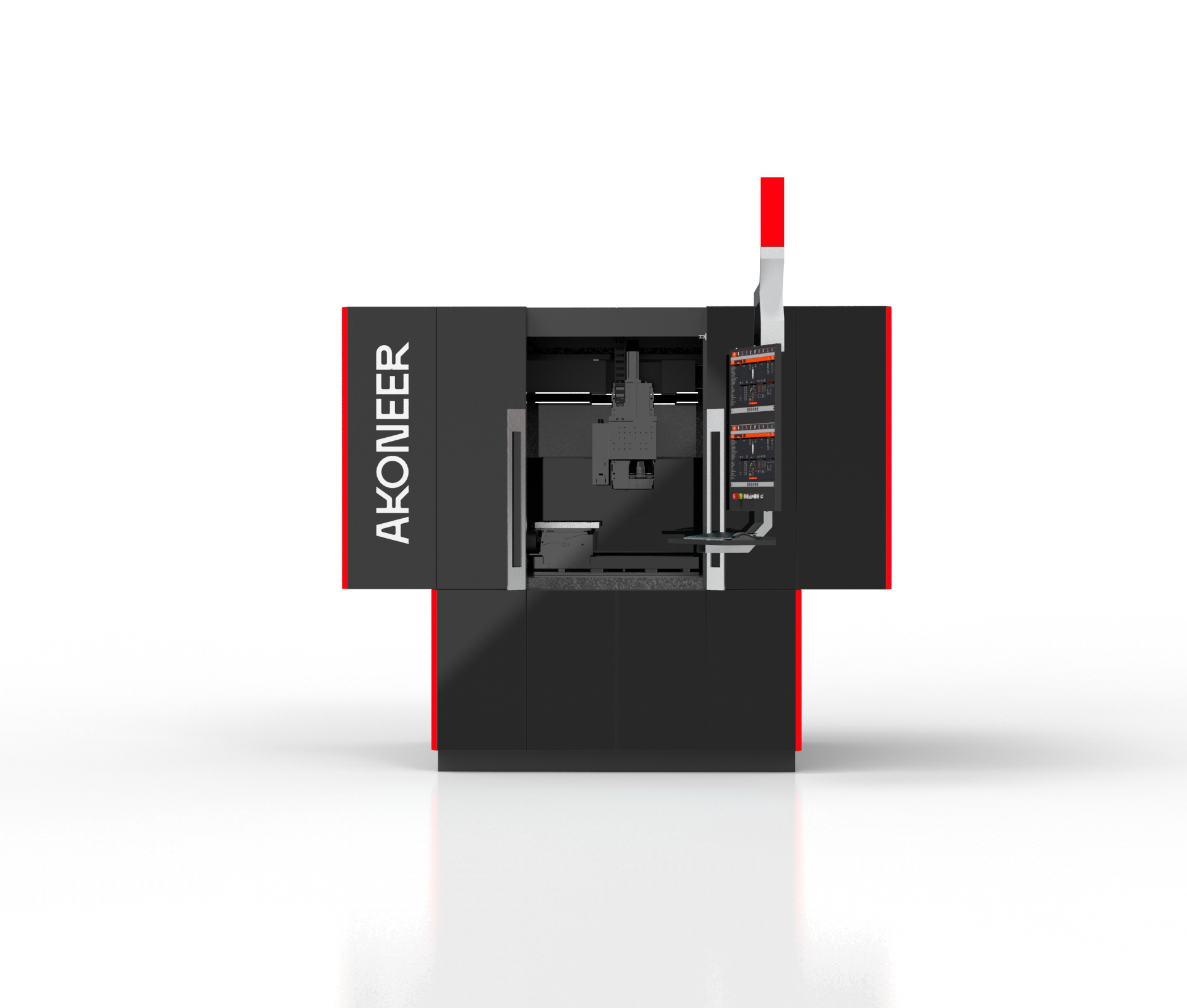
The world of engraving has seen significant advancements over the years, and one of the most remarkable developments is 3D glass laser engraving. This technology creates intricate, three-dimensional designs within glass objects, offering a unique way to personalize and enhance both decorative and functional items. As a laser machine manufacturer, we are at the forefront of these innovations, enabling artists, businesses, and individuals to explore new dimensions in glass artistry.
Understanding the technology
3D glass laser engraving utilizes high-powered laser beams, typically ranging from 2 to 6 kW, to etch designs within the interior of a glass object. Unlike traditional methods that carve into the surface, this technology creates detailed patterns and images inside the glass. The laser focuses light at precise points within the object, creating microfractures that form the desired design. This non-invasive process means the exterior surface remains smooth, maintaining the glass's structural integrity and aesthetic appeal.
This technique relies on computerized controls to guide the laser, ensuring precision and consistency, with repeatability as precise as ±0.02 mm. Computer-aided design (CAD) software is integral, allowing users to create detailed models replicable by the laser. The technology is versatile, capable of working with various glass types, including crystal, optical glass, and even colored glass, broadening its application across different industries.
Applications in various industries
3D glass laser engraving has numerous applications across a range of industries. In the art world, it provides artists with a new medium to express their creativity, allowing for the creation of complex sculptures and installations that were previously impossible with conventional methods. The ability to embed images or sculptures inside glass offers a new dimension to glass art, captivating viewers with its depth and intricacy.
In the corporate sector, this technology is often used for awards and trophies. Engraving a company logo or message within a crystal award creates a lasting impression of prestige and sophistication. This method is also used to produce promotional items and personalized gifts, such as paperweights or bespoke glassware, which serve both functional and decorative purposes.
The architecture and interior design industries benefit from this technology through the creation of custom glass panels and partitions. These can feature intricate designs that add aesthetic value and unique character to a space. Additionally, 3D laser engraving is used in the manufacturing of precision glass components, such as lenses and prisms, for scientific and industrial applications, where accuracy and detail are paramount.
Advantages over traditional methods
3D glass laser engraving offers several advantages over traditional engraving techniques. It provides unmatched precision and detail, allowing for the creation of complex designs that would be difficult or impossible to achieve manually. The non-invasive nature of the process ensures the glass's surface remains untouched, preserving its clarity and strength.
The process is also highly efficient. Once a design is programmed into the system, multiple items can be engraved in quick succession, significantly reducing setup time. This capability is particularly beneficial for businesses looking to produce large quantities of engraved items with consistent quality.
Furthermore, 3D laser engraving is a clean process. It does not require harsh chemicals or physical tools that can damage the material or pose safety risks, making it an environmentally friendly option compared to some traditional methods.
Challenges and considerations
Despite its many benefits, 3D glass laser engraving does present certain challenges. The initial cost of acquiring laser engraving machinery can be high, although this is often offset by the technology's efficiency and the added value it brings to products. Additionally, the process requires skilled operators proficient in CAD software and knowledgeable in laser technology to achieve optimal results.
Another consideration is the type of glass used. Not all glass types are suitable for laser engraving, and the quality of the final product can vary depending on the material's properties. Selecting the right type of glass and adjusting the laser settings accordingly is essential to avoid unwanted results such as internal cracks or distortions.
Future prospects
The future of 3D glass laser engraving is promising, with ongoing advancements in laser technology and software development expected to enhance its capabilities further. The growing demand for personalized and unique products continues to drive innovation, opening up new possibilities for this technology in various sectors.
Research and development efforts are likely to focus on improving the range of materials that can be engraved, enhancing the resolution and precision of engravings, and reducing costs to make the technology more accessible to a broader audience. As these advancements unfold, 3D glass laser engraving will continue to play a pivotal role in shaping the future of design and manufacturing.
3D glass laser engraving represents a significant leap forward in the art and science of engraving. Its ability to create detailed, three-dimensional designs within glass opens up new avenues for creativity and innovation, offering unique solutions across a wide array of industries. As a laser machine manufacturer, we are committed to driving these advancements and supporting our customers in unlocking the full potential of this remarkable technology.