3 axis laser cutting machine
3-axis laser cutting machines are a crucial tool in modern manufacturing, enabling high-precision and efficient cutting across a wide range of industries.
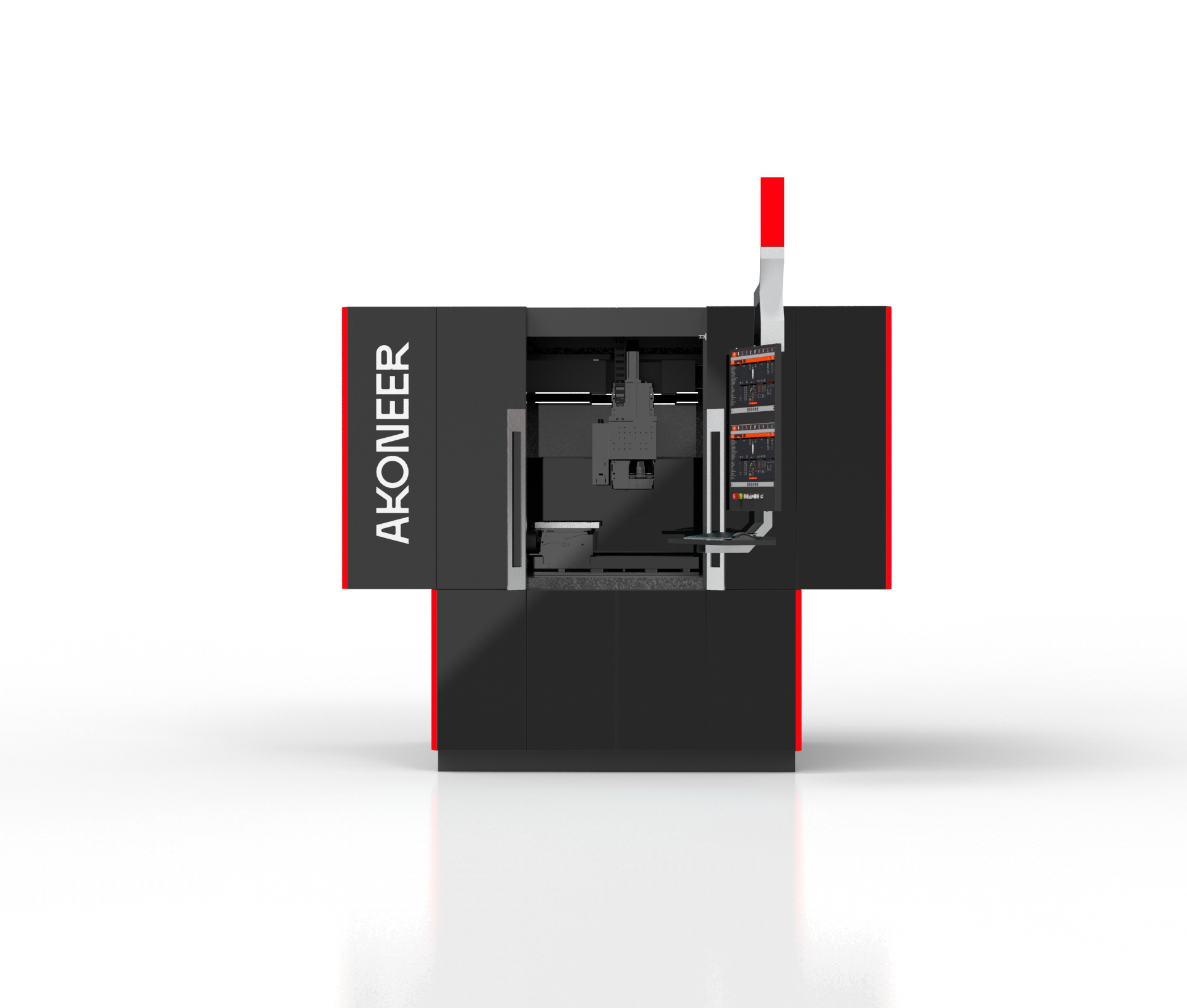
In the realm of manufacturing and industrial design, precision is critical. One of the most efficient tools for achieving high precision is the three-axis laser cutting machine. This tool has become essential in industries requiring accurate and clean cuts, operating on three axes—X, Y, and Z—to cut through materials with unmatched precision and speed. As manufacturers seek methods to improve quality and efficiency, the three-axis laser cutting machine stands out for its ability to meet these demands.
How 3 axis laser cutting machines work
The three-axis laser cutting machine uses a focused laser beam to cut materials. This beam moves along three primary axes—horizontal (X), vertical (Y), and depth (Z)—allowing the cutting of complex shapes and patterns. The process begins with a computer-aided design (CAD) file dictating the cutting path, which the machine's computer system translates into machine language to guide the laser. The laser's intensity, speed, and path are precisely controlled, resulting in clean cuts with minimal material waste. These machines often operate with power levels ranging from 2–6 kW, achieve kerf widths as small as 0.1 mm, and offer repeatability of ±0.02 mm.
Advantages of using 3 axis laser cutting machines
Three-axis laser cutting machines offer numerous advantages over traditional methods. Their precision allows for cutting intricate shapes with tight tolerances, crucial for industries such as aerospace, automotive, and electronics. The non-contact nature of laser cutting minimizes material distortion, a common issue with mechanical methods. These machines enable quick changeovers between jobs, reducing downtime and increasing productivity. Automating the cutting process ensures consistent results with less manual intervention. For example, a leading automotive manufacturer, Tesla, utilizes three-axis laser cutting machines to enhance production efficiency, achieving a 30% reduction in material waste and a 25% increase in cutting speed.
Applications across various industries
The versatility of three-axis laser cutting machines suits them for a wide range of applications. In the automotive industry, they cut components such as airbags, door panels, and dashboard parts with high precision. In aerospace, they create lightweight, complex components essential for modern aircraft. The electronics industry benefits from cutting intricate circuits and components for devices like smartphones and laptops. Additionally, the medical field uses these machines to produce precise components for medical devices and surgical instruments. This broad applicability underscores the machine's role as a versatile tool in modern manufacturing.
Key considerations when choosing a 3 axis laser cutting machine
Several factors should be considered when selecting a three-axis laser cutting machine. Material compatibility is crucial, as different machines are designed to cut specific materials, such as metals, plastics, or composites. Material thickness impacts the required power and type of laser, with maximum steel thickness often around 20 mm. The machine's speed, which can reach up to 30 m min⁻¹, and precision capabilities should align with the manufacturing process's needs. Budget constraints are also important, as advanced machines come at a premium. Finally, the availability of technical support and maintenance services is essential to ensure efficient operation over the machine's lifespan.
The future of 3 axis laser cutting technology
As technology evolves, so does the potential of three-axis laser cutting machines. Future advancements may include increased automation, improved energy efficiency, and enhanced cutting speeds without compromising precision. Integration with artificial intelligence (AI) and machine learning could further optimize cutting processes and reduce material waste. As industries move towards sustainable practices, developments in laser technology may focus on reducing emissions and energy consumption. These innovations promise to expand the capabilities of laser cutting machines, making them even more integral to modern manufacturing.
Three-axis laser cutting machines have revolutionized the manufacturing industry by providing precision, efficiency, and versatility. Their ability to cut a wide range of materials with minimal waste and distortion makes them indispensable in industries such as automotive, aerospace, electronics, and healthcare. As technology progresses, these machines will likely become even more efficient and versatile, solidifying their role in industrial manufacturing. Understanding how these machines operate and the factors to consider when selecting one can help manufacturers make informed decisions to enhance their production processes.